


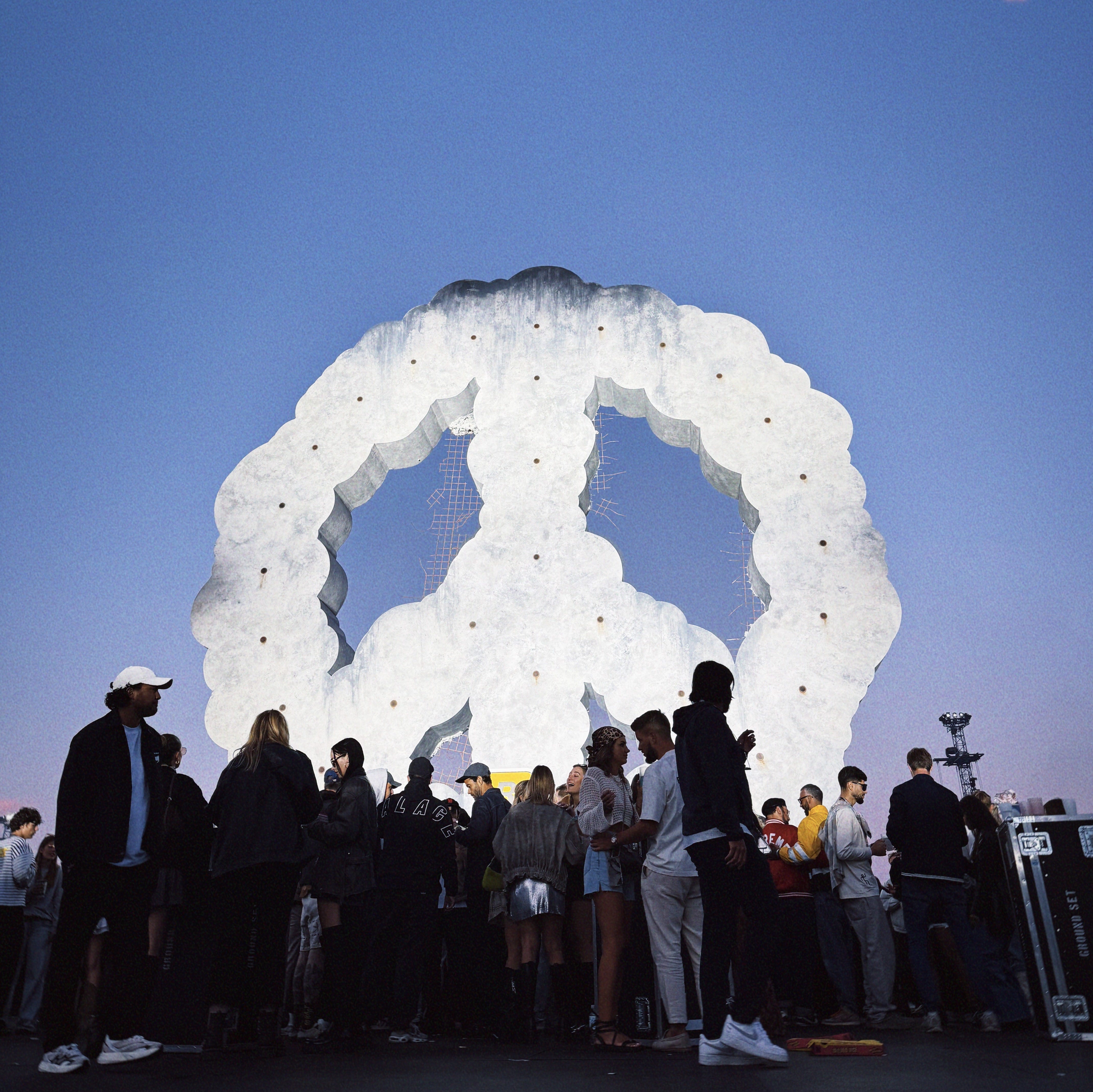
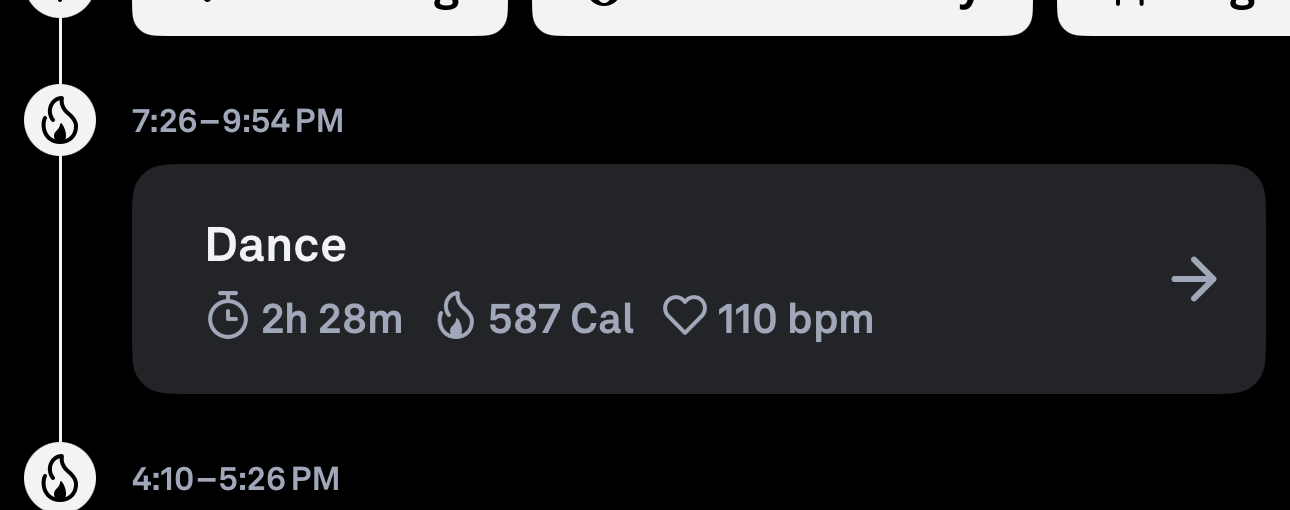
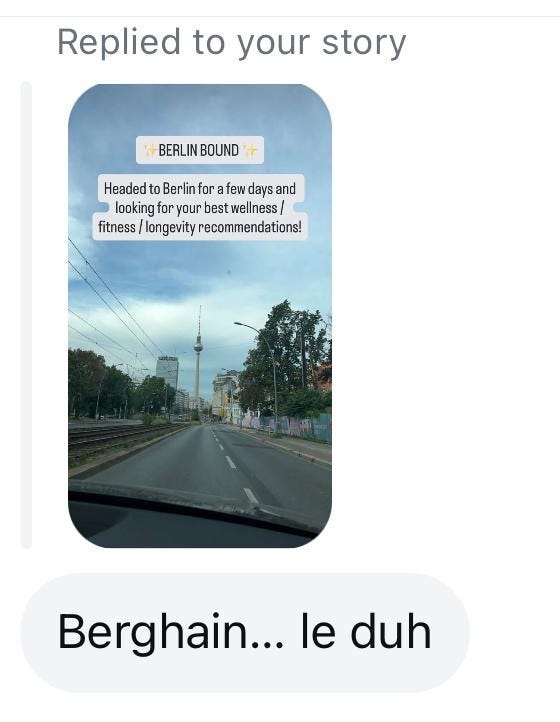
On my way back from Athens, I made a quick stop in Berlin to see my best friend before heading to NYC (and then Canada next weekend for another best friend’s wedding 🎉). While in Berlin, I asked IG for your health + wellness recs and pulled together a list (see below). Shoutout as well to the many of you who suggested Berghain 😉 - but this time I opted for Keinemusik, where my dear friend hosted their biggest one-day concert yet (congrats to Flo and Live Nation!) and I managed to clock in 25K steps cardio according to my Oura.
and always, Soho House.
Now onto the notes!
THIS WEEK’S DOWNLOAD
Aka things I stumbled across - some new, some just new to me.
THINGS I LIKED THIS WEEK
AI: Nothing health-related, but I’ve been prompting ChatGPT to build my own version of PHIA (Bill Gates’ daughter’s company). I paste in any vintage find and have ChatGPT rank whether the piece is undervalued or not - and yes, I found some gems on The RealReal.
Wellness: It always shocks me how much impact an intense recovery like this has on my body: took a fascia training class at Soho House Berlin - movement that targets the body-wide connective tissue (fascia) that surrounds and weaves through muscles, bones, nerves, and organs.
Product: GI Charcoal Binder - my go-to to counteract all the vino 😉.
Best Substack Read: The Science of Eastern Medicine – HEAVIES Dr. Josh Park, ex-Olympic trainer and founder of MOCEAN, blends Eastern medicine with tech like PEMF and red light to help athletes recover and stay sharp. Why I liked it: It’s rare to see Eastern philosophy explained alongside high-tech recovery in such a grounded way.
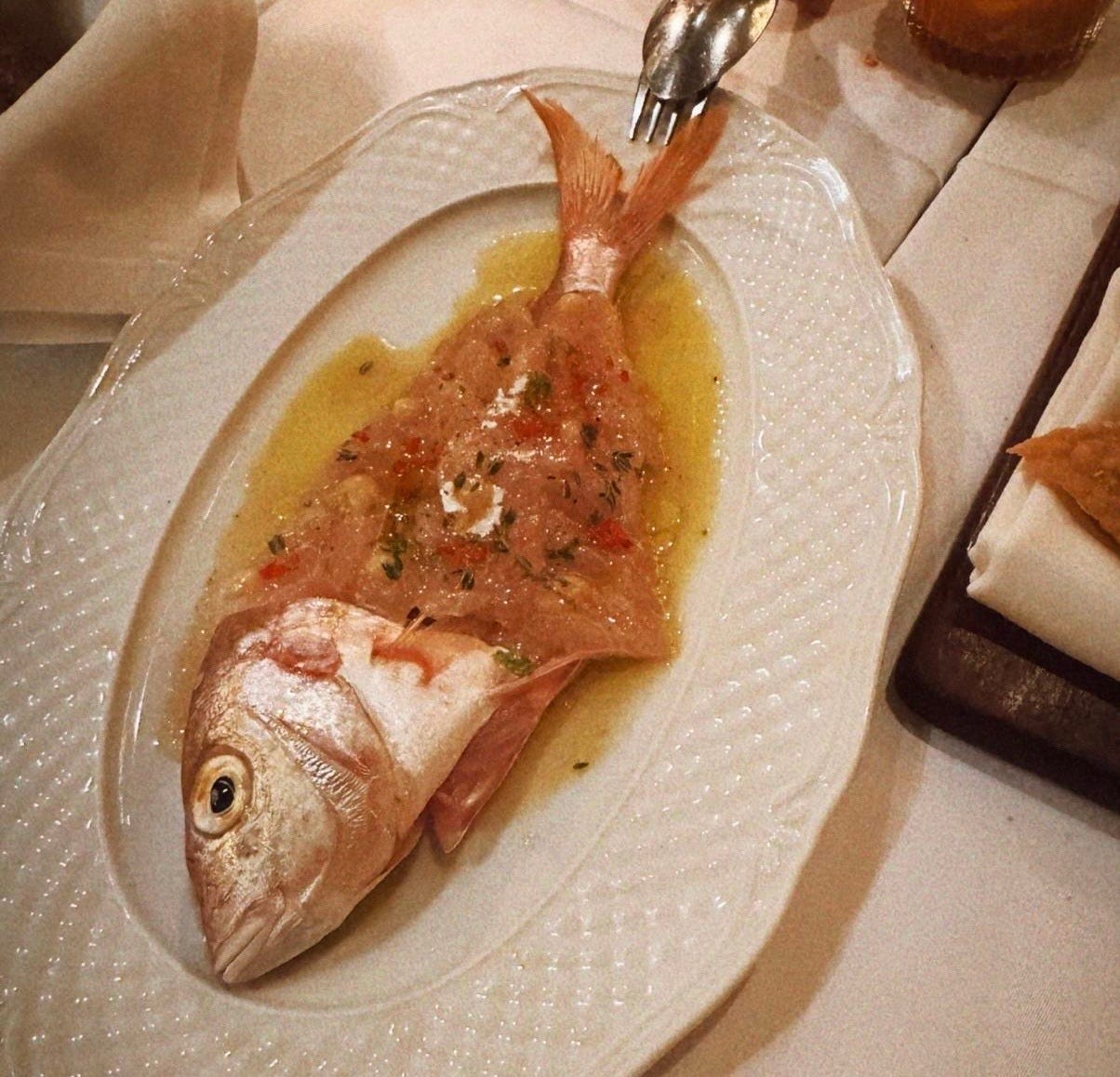
Best Bite: Whole fish sashimi at Vezene, Athens - fish caught the same day, loaded with nutrients like omega-3s, B12, and selenium.
📎 ARTICLES THAT CAUGHT MY EYE
Serena Williams on GLP-1s – Vogue Read here
Serena revealed she lost 31 lbs on a GLP-1 medication, framing it not as a shortcut but as self-care. She partnered with Ro, a telehealth company, to share her story.🧠 My Take: Female bodies are complex - sometimes you just need a fix. I love that she’s showing women that even the most disciplined athlete can’t always lose weight with diet and exercise alone; postpartum, it’s often hormonal. But two things bother me: (1) she used this as a campaign for Ro, which freely prescribes GLP-1s, and (2) her influence risks normalizing them before we know the long-term effects. These drugs demand caution, proper medical care, and ideally trainer oversight. If you are on one, we launched a dedicated Equinox personal training program for GLP-1 users - read about it here
How ‘Optimisation’ Hijacked Men’s Wellness – Business of Fashion
Meditation teacher Manoj Dias unpacks how men’s wellness has been rebranded into a performance-obsessed race - turning meditation into “cognitive enhancement” and self-care into life hacking. Instead of reducing stress, it often creates new pressure.🧠 My Take: Wellness whether we call it health or longevity - is multidimensional. It requires both the measured and the unmeasured, and is felt most in our moods, energy, and happiness. Reduce it to optimization, and you lose the very essence of being well.
New Study Suggests Using AI Made Doctors Less Skilled at Spotting Cancer – The Lancet Gastroenterology & Hepatology
A European study of colonoscopies found that doctors who regularly used AI to detect precancerous polyps actually became worse at spotting them without AI. Within six months, their adenoma detection rate dropped from ~28% to 22% when unassisted - suggesting “automation bias” and overreliance on AI.🧠 My Take: AI helps doctors catch more cancers when it’s used, but this study shows the flip side: if doctors lean on it too much, their own skills can fade. That’s a problem if the tech fails or isn’t available. The takeaway is simple - AI should be a tool, not a crutch.
🎧 PODCASTS WORTH YOUR TIME
Eric Malzone x Stacy T. Sims, PhD,
A wide-ranging conversation on women’s health and training - covering research gaps, supplements (creatine is almost non-negotiable), smarter training cycles, and why single hormone tests don’t tell the full story.
🧠 My Take: Women’s health research is finally catching up, but the lesson is universal: don’t confuse headlines or algorithms with what’s actually right for your body. Long-term tracking + context always beat one-off data points.
Today, Explained – “Hacking Our Health”
This episode dives into America’s obsession with wellness gadgets, supplements, and hormones. From testosterone experiments to protein powders and wearable trackers, the show explores both the empowerment and the pitfalls: supplements that may do more harm than good long-term, trackers that gamify health to the point of obsession, and a wellness aisle that’s exploding faster than the science can keep up.
🧠 My Take: Trackers and supplements aren’t bad - but they’re not magic. The basics still matter more: how you eat, move, sleep, and manage stress. Without that foundation, no ring score or protein powder is going to fix your health. That’s why I found this listen useful - it also dives into how supplements are regulated (or not) and what the science actually says about their impact.
🧬 SCIENCE BIT
Centenarians’ Gut Bacteria Produce Anti-Aging Molecule – npj Biofilms and Microbiomes
Researchers studying centenarians’ microbiomes identified mesaconic acid, a metabolite produced by Lactobacillus plantarum, with both anti-inflammatory and anti-aging effects. The finding adds to growing evidence that longevity may be deeply tied to gut-derived signals.🧠 My Take: The gut continues to be one of the strongest links to longevity. This study goes a step further - not just showing correlation, but isolating which bacteria create compounds that may slow aging. You can work on this axis in different ways: by supporting your microbiome through targeted probiotics (like SEED), food diversity, or even adjuncts like red light therapy that influence microbial balance. The future of healthspan will be as much about nurturing gut ecosystems as it is about measuring biomarkers.
💸 VCs, M&A, AND STRATEGY SHIFTS
The longevity business keeps gaining momentum.
Aug 22, 2025 – SHA partners with Harvest
SHA Wellness Clinic announced a partnership with Harvest to host “The Art of Living Well” retreat at Kaplankaya (and later SHA Mexico). The program blends advanced medical protocols with holistic lifestyle practices - marking another step in longevity hospitality going mainstream.Aug 21, 2025 – Superhuman slashes prices from $499 → $199
The productivity app known for its exclusivity is cutting prices dramatically, a move to expand user adoption and prove broader market traction.Aug 20, 2025 – Immortal Dragons launches $40M longevity fund
Singapore-based Immortal Dragons debuted a purpose-driven fund to invest in early-stage life-extension biotechs. The $40M AUM is largely founder-backed, signaling patient capital entering the field.Aug 19, 2025 – Eight Sleep raises $100M Series D
Eight Sleep closed a $100M round led by HSG, Valor Equity, and Founders Fund, with participation from F1 drivers Charles Leclerc and Zak Brown. Funds will expand its AI-powered Sleep Agent, develop medical applications (apnea, menopause), and open retail/healthcare channels.Aug 19, 2025 – Ambience Healthcare raises $243M Series C
Ambience secured $243M led by Oak HC/FT and a16z to scale its AI-powered medical scribing and workflow automation platform, part of the broader AI-in-clinics boom.Aug 18, 2025 – Gates Ventures launches $1M Alzheimer’s AI Prize
Bill Gates announced a $1M competition to incentivize AI models that can unlock insights from fragmented Alzheimer’s datasets, with the winning tool to be open-access for global researchers.🧠 My Take: This week’s moves show the industry growing up: exclusivity is out, integration is in. Sleep tech is turning into healthcare, wellness retreats are doubling as cultural brands, and even elite productivity tools are chasing scale. The insight? Longevity isn’t a niche anymore - it’s becoming infrastructure.