


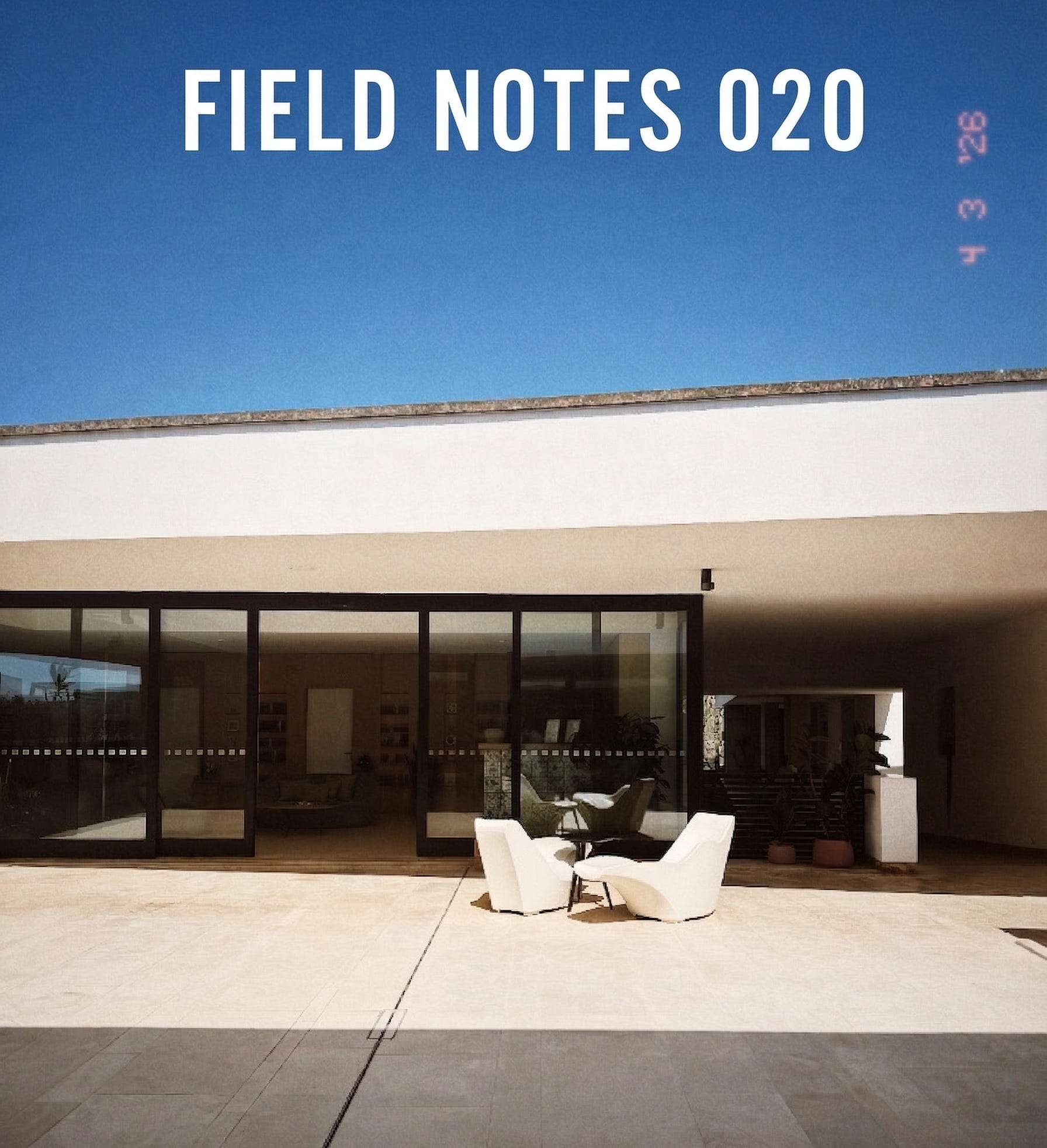
Spa at Verdura Rocco Forte Resort, Sicily, where I spoke at the Leadership in Retal Conference
Will we still be talking about longevity in 5 years?
I’ve been saying this for years. Longevity was always going to become luxury. Not in a weekend-retreat way. In a serious, where-is-the-smart-money-going, who-owns-the-next-decade way.
And now it’s arrived.
A few months ago I genuinely thought the word “longevity” had gone stale (and wrote about it here) - overused, stripped of meaning by brands slapping it on collagen powder and infrared saunas. But it’s back. And this time it means something different. The era of the solo biohacker optimizing HRV at 2am is winding down. What’s replacing it is harder to articulate but unmistakable if you’re paying attention - a move away from data fatigue, away from the quantified-self as personality, and toward something more integrated. More cultural. More, frankly, sellable.
The major luxury houses (think Loreal x Kering deal as example) don't make bets on trends. They make bets on the next century. When groups that built some of the world's most enduring heritage brands start allocating seriously into longevity - through partnerships, acquisitions, and internal investment - they're telling you exactly what they think the next heritage category is. These are not curious observers. They're acquirers.
Think about millennial pink. That wasn’t an arbitrary color trend. It was a precise cultural expression of where wellness was emotionally at that moment — soft, aspirational, faintly anxious. Wellness has always worked this way. It doesn’t lead culture. It mirrors it. And right now, culture is exhausted, overstimulated, and quietly desperate for connection. So longevity is following. The nervous system. Community. Saunas you go to with other people. Cold plunges that became social rituals. The shift isn’t random - it’s a direct reflection of what people actually need right now, dressed up in the language of health optimization.
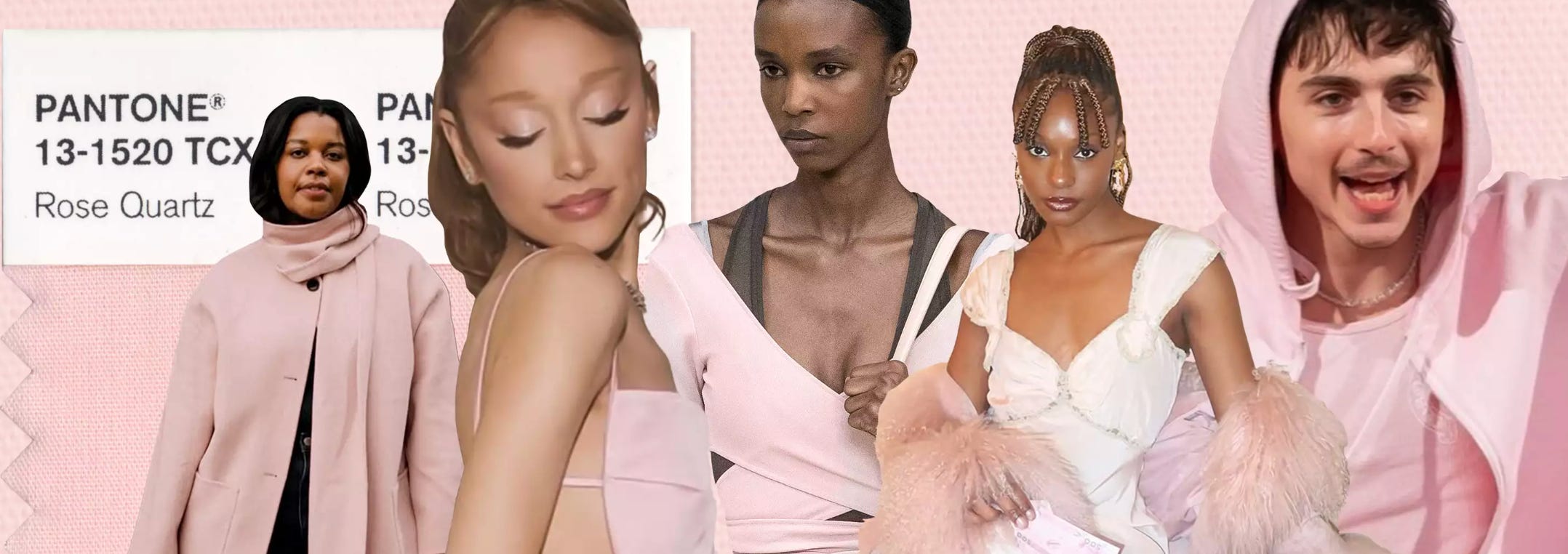
Image from https://www.byrdie.com/millennial-pink-trend-revival-11679781
This is what the luxury brands are reading. Not the biohacking data. The cultural mood.
The industry spent years treating chronic stress as a productivity problem. Optimize around it. Push through it. The research is now catching up to what good practitioners already knew: dysregulation isn’t a mindset issue, it’s a physiological one. Somatic stress storage - how the body holds unresolved stress at a cellular level - is entering the longevity conversation whether the mainstream is ready or not. The science isn’t fully there yet, but the signal is impossible to ignore. The sheer volume of people reporting somatic releases, breakthroughs in bodywork, nervous system resets - that’s not anecdote anymore. That’s a pattern.
So. Will we still be talking about longevity in five years?
Yes. Just not the version we started with.
The word is being redefined in real time - away from the solo optimizer with a CGM and a supplement stack, toward something that looks a lot more like a cultural movement. That shift is already happening. The capital is already moving. Watch it enter the consumer and political mainstream the same way nutrition did. Slowly, then all at once.
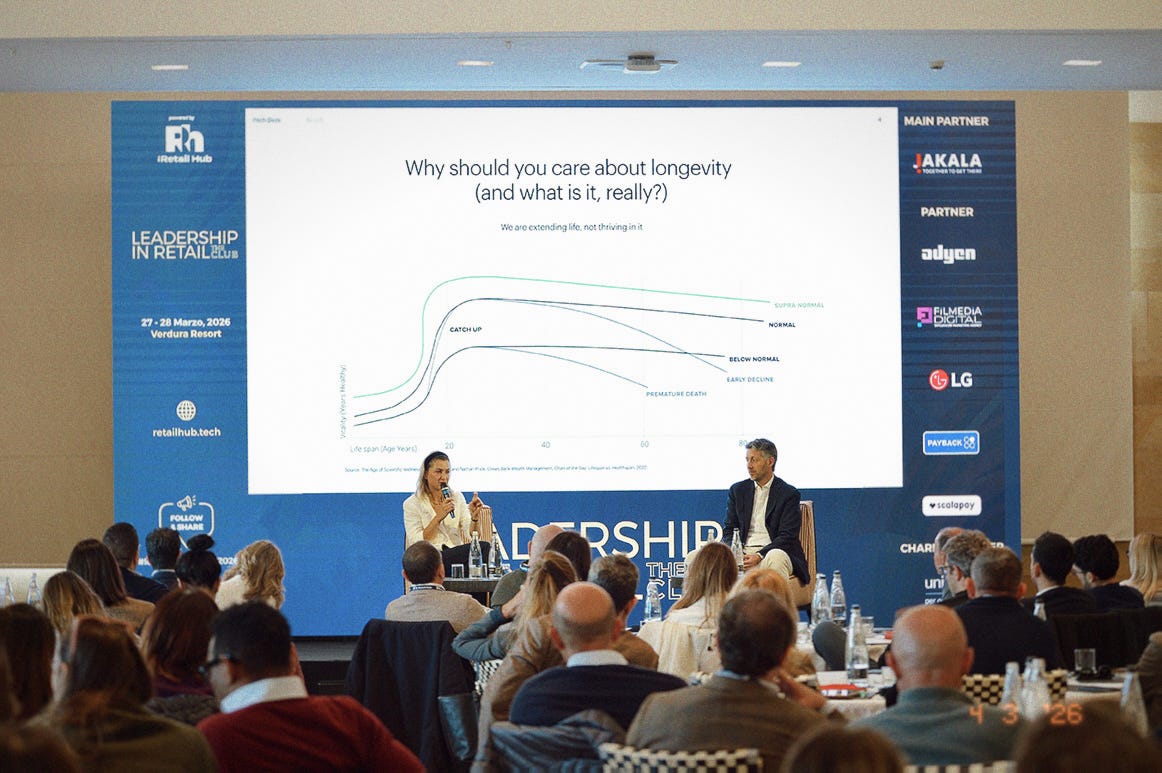
Retail Hub Annual Conference - Leadership in Retail - at Verdura Resort, Sicily, with founder of the conference, Massimo Volpe.
Is Longevity The New Retail Category?
Short answer - yes.
I was recently in Sicily, speaking at a summit organized by the Retail Hub of Massimo Volpe - a room full of serious retail founders, department store operators, people who think about physical space professionally. Longevity didn’t squarely fit their world. And then after I spoke, the hallway conversations started. People running major flagship stores quietly asking: is this a retail category now?
Galeries Lafayette in Paris was earliest with their Wellness Gallery bringing french pharmacy beauty, wellness services and longevity curved into the department store. Ahead of the curve, by most accounts. (Sometimes being first and being right aren’t the same thing.) But the direction is clear. Physical retail is shifting from products to services as its primary value proposition, and longevity sits right at that intersection. The problem is that monetization hasn’t been solved. Services are entirely staff-dependent. And we have not yet produced a generation of floor staff who actually know how to sell wellness — to explain it, contextualize it, make it feel necessary rather than optional.
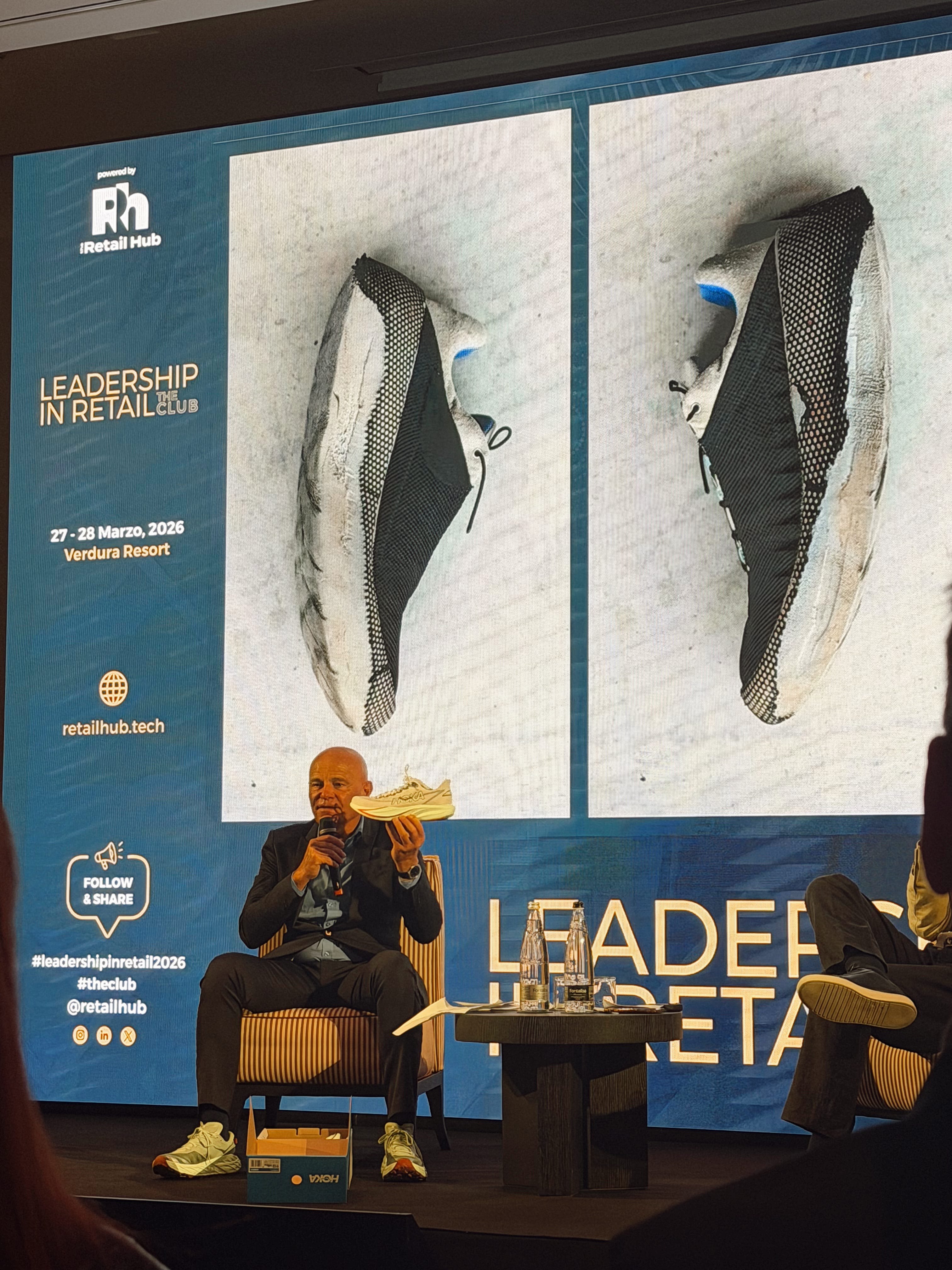
Nico Mermoud - HOKA founder - shared the origin story behind the brand! More to come on him in a follow up post! Send me any questions you want to ask him :)
Equinox had to build that capability from scratch. It took years and it was hard. Now we have more physical retail spaces selling wellness in the US than almost any other category, and the knowledge gap on the ground remains enormous.
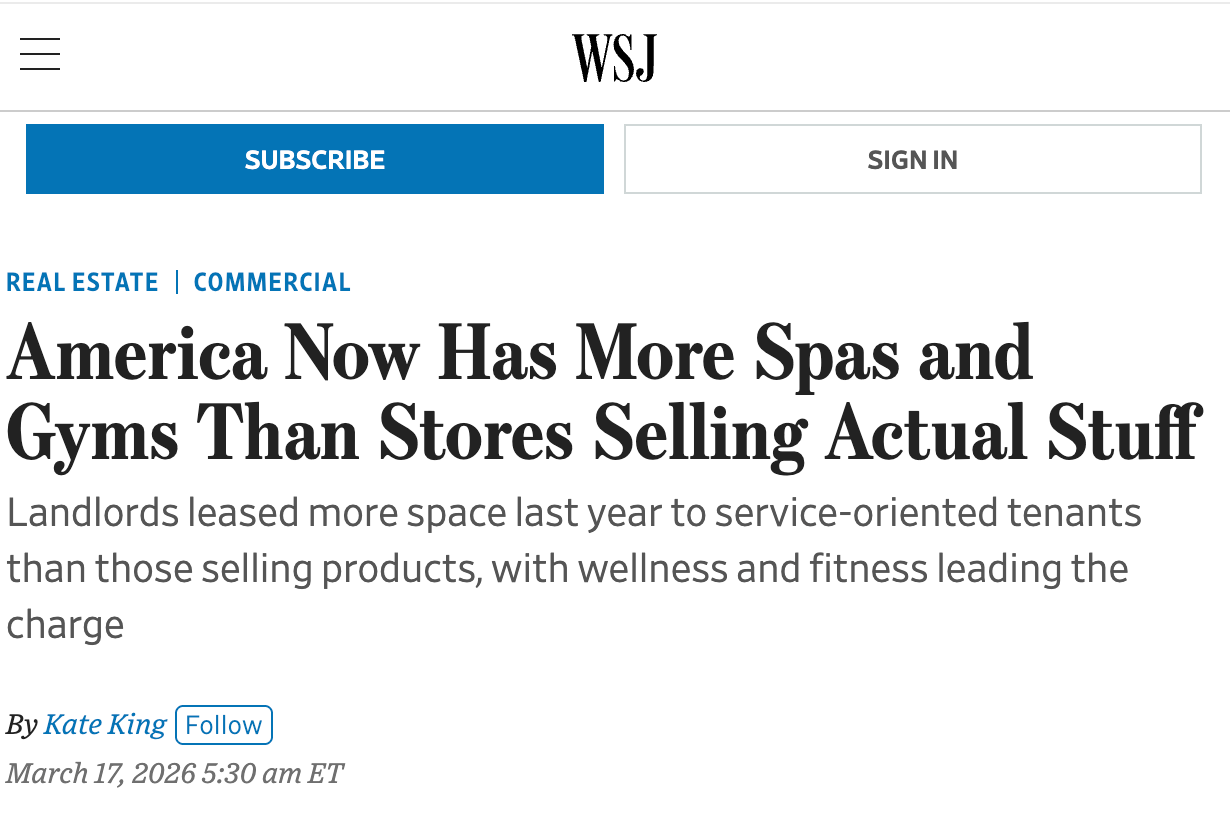
That gap is exactly where the opportunity lives. It’s something I’m actively building toward. More on that soon.
If this landed for you, share it with someone who’s paying attention to where health is actually going. And if you’re building in this space — or just have a strong opinion about where it’s headed — I want to hear from you. Reply or find me. And if you’re not subscribed yet, now’s a good time!
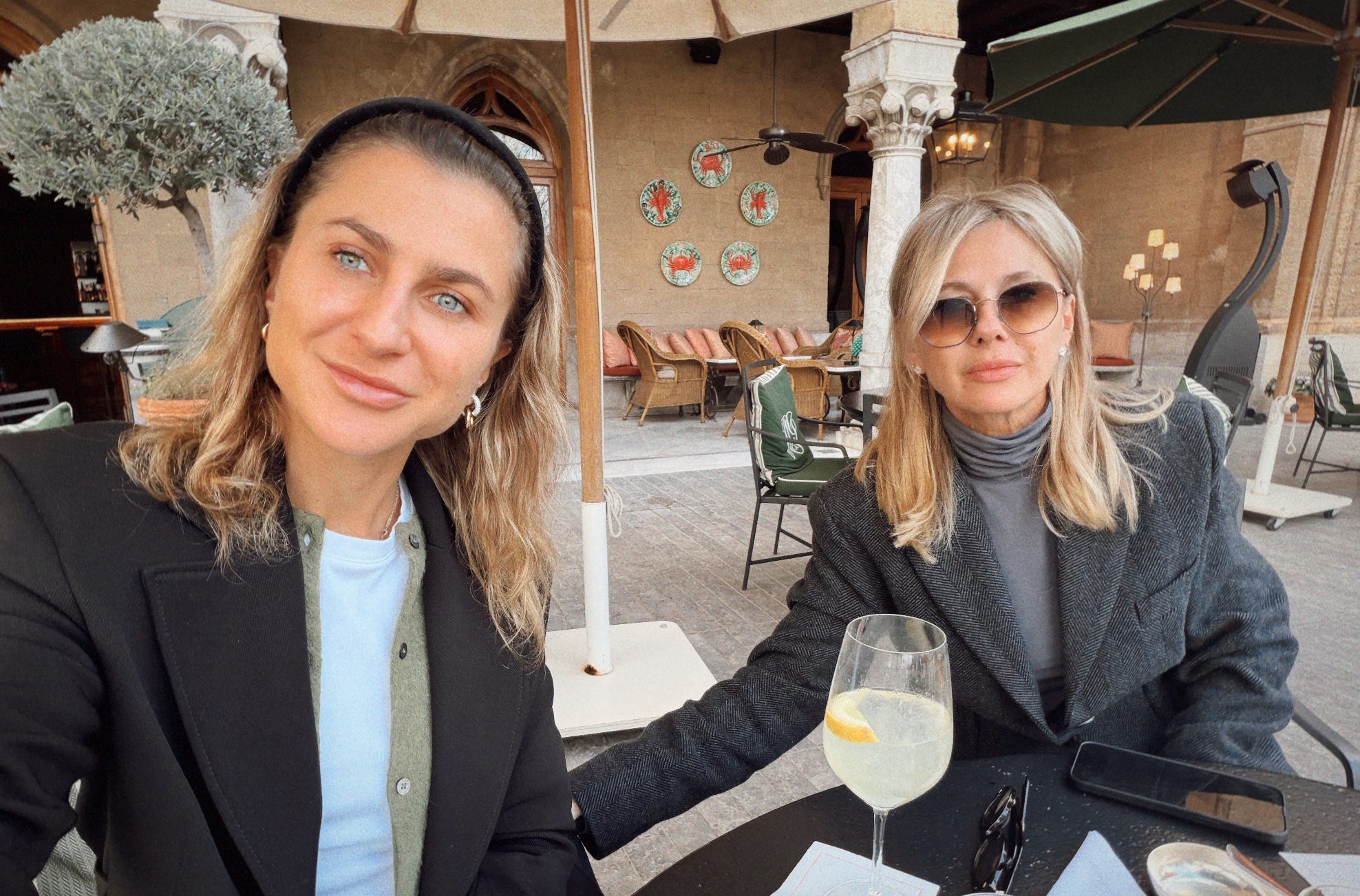
My speaking entourage in Italy, aka my mom :)
Appendix: References
Porges, S.W. (2011). The Polyvagal Theory: Neurophysiological Foundations of Emotions, Attachment, Communication, and Self-Regulation. Norton.
van der Kolk, B. (2014). The Body Keeps the Score. Viking.
Levine, P.A. (2010). In an Unspoken Voice: How the Body Releases Trauma and Restores Goodness. North Atlantic Books.
Bower, J.E. & Irwin, M.R. (2016). Mind-body therapies and control of inflammatory biology. Brain, Behavior, and Immunity, 51, 1–11.
Epel, E.S. et al. (2004). Accelerated telomere shortening in response to life stress. PNAS, 101(49), 17312–17315.
Slavich, G.M. & Irwin, M.R. (2014). From stress to inflammation and major depressive disorder. Psychological Bulletin, 140(3), 774–815.
Your Mom is adorable just like you💖