


The first time I rolled in snow after a sauna I was five. I called it “dad’s torture” back then, today we call it contrast therapy and it has its own peer-reviewed literature.
I got my first acupuncture needles at nine. My mom said it was important to help with stress from school. I didn’t push back.
I’m telling you this because it’s the framing I gave the room at Wellist Week in Miami and it’s the framing I keep coming back to: nothing has changed in 3000 years, and yet everything is changing.
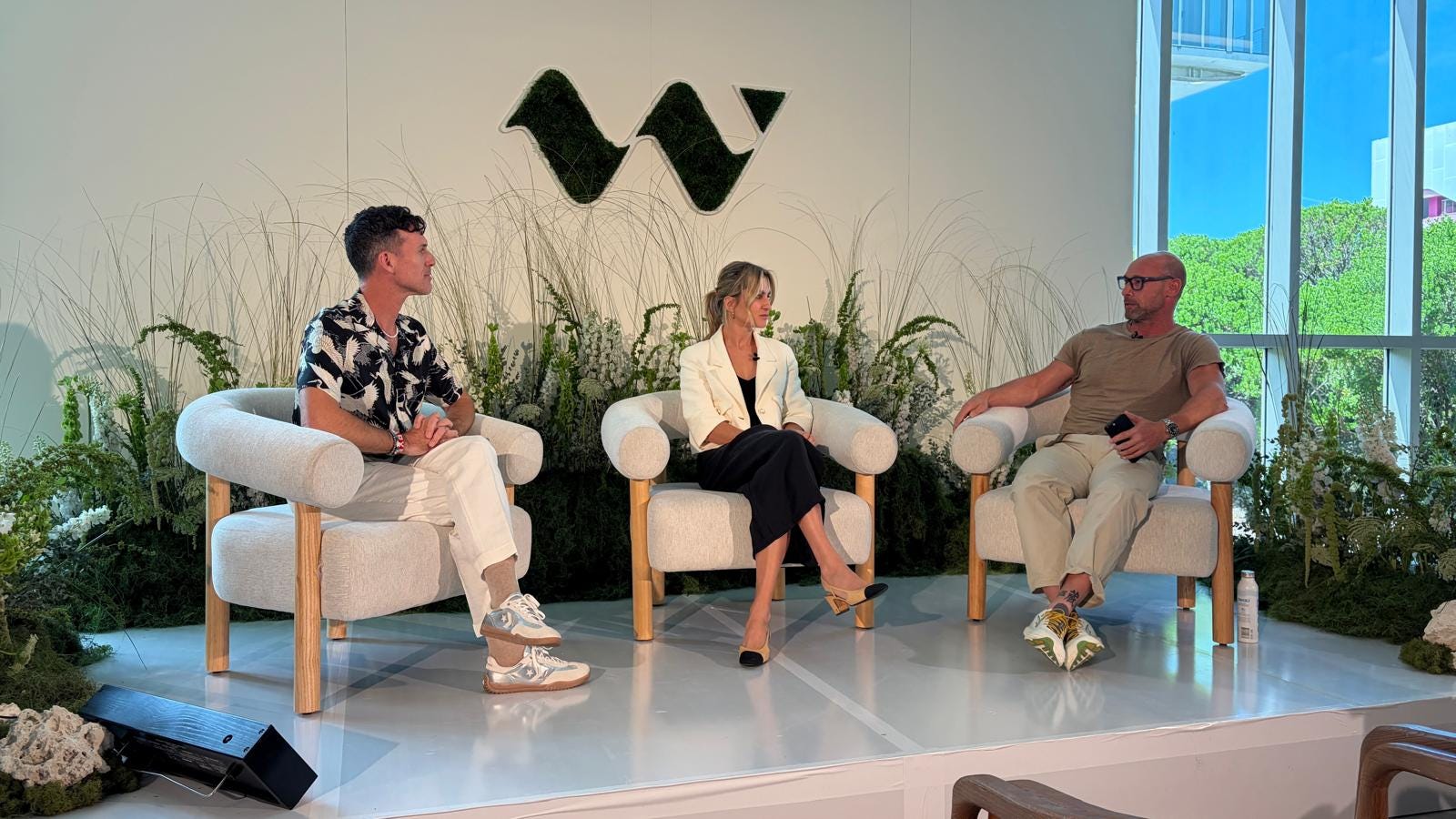
With Tino de Martino and Greg Scheinman
A city making a claim
Wellist was the first edition of a new global forum for the business of wellness, built by Myk Likhov and Alhia Chacoff-Berger, anchored by the Miami Design District, and co-signed by the city itself. Mayor of Miami Beach Steven Meiner opened the week. Mayor of Miami Eileen Higgins closed parts of it.
The whole thing read less like a conference and more like a city making a claim. And it did the job: 680 registrants, 70 curators, 92 speakers, 53 satellite events.
It was a city overtake, one that I envision becoming the new Art Basel at scale. And i’m here for it!
I went as both speaker and reporter. I am still processing what I think, but here is off the cuff recap.
What hasn’t changed
We have been doing most of this for three thousand years. The Greeks. The Romans. My family in Poland.
Sauna, cold, fasting, breath, sleep, walking, time outside, time with people. Everything we now sell with a clinical asterisk and a recurring revenue model has been, somewhere, somebody’s grandmother.
The Swami who spoke on Day One - Chidananda, a former investment banker turned Vedic monk, which is its own incredible American story - said the quiet part out loud: the fear of death is the hidden driver behind most of the desire to live longer, and spirituality is the only thing that meaningfully resolves it.
I don’t think you have to be religious to take the point. The point is that the wisdom layer is older than the data layer, and we keep rediscovering it under new branding.
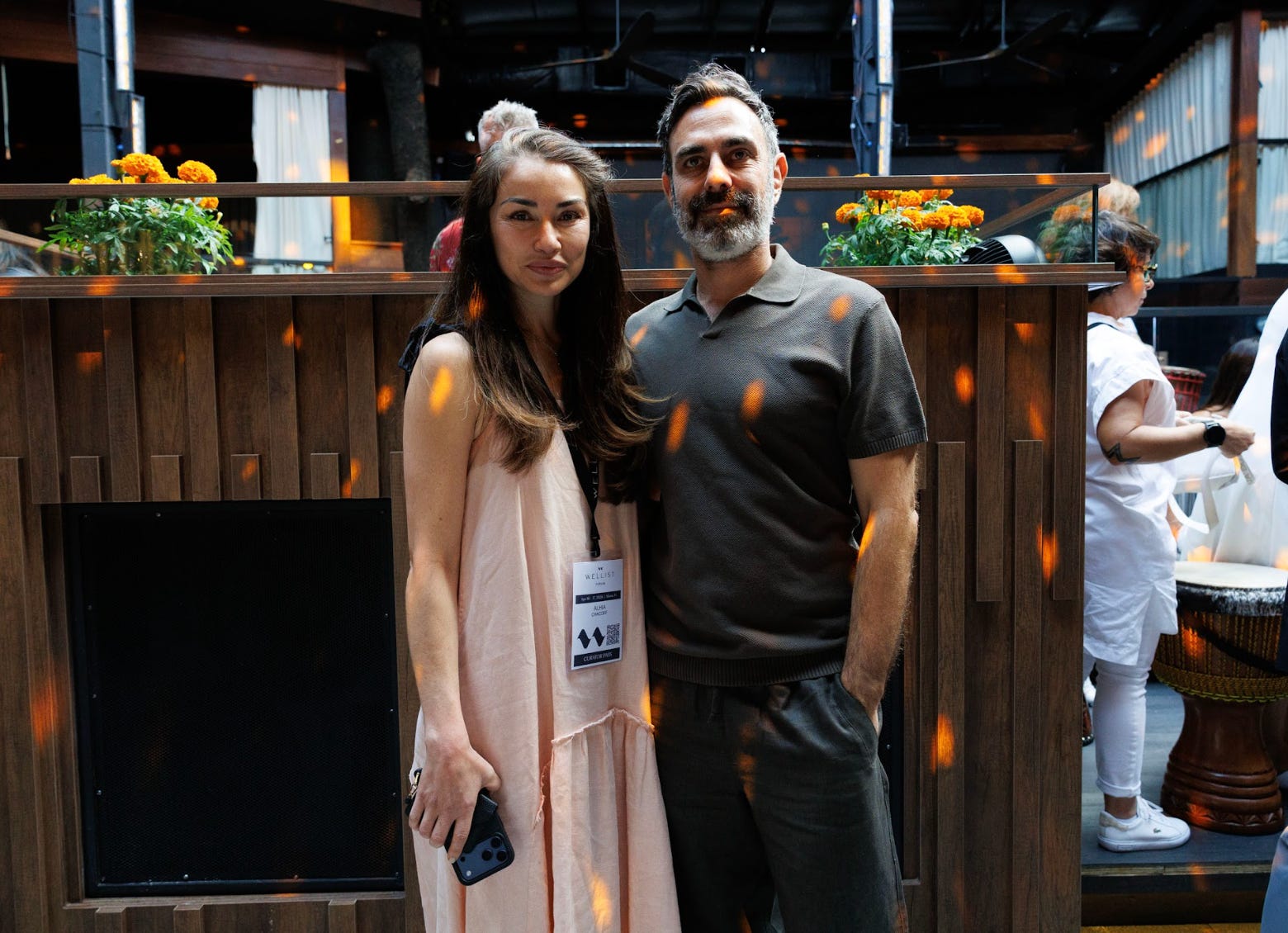
Myk Likhov and Alhia Chacoff-Berger, founders of Wellist, at the Opening Party
What’s changing
Health left the doctor’s office. That is the actual shift.
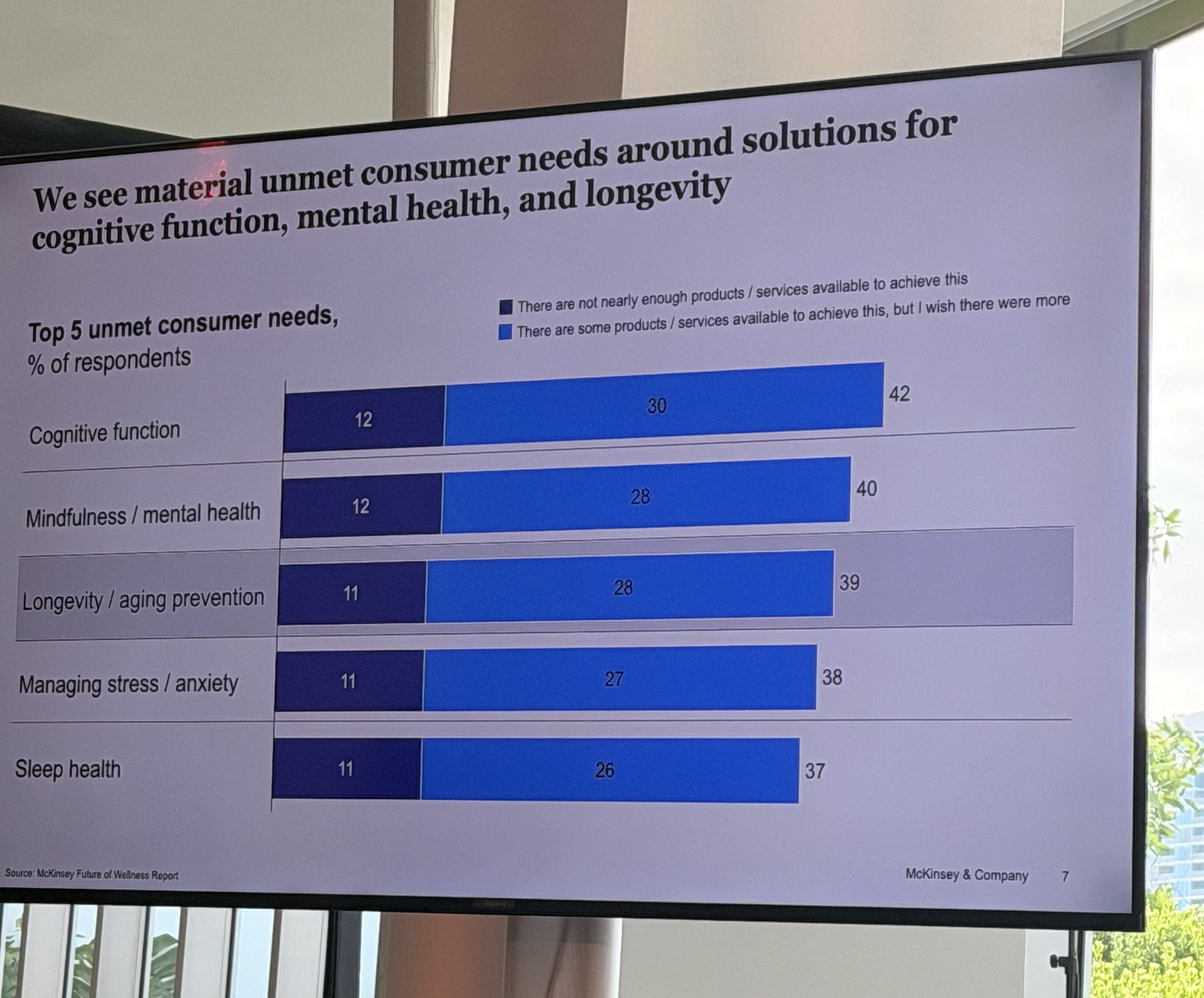
At the conference, McKinsey said that 84% of consumers globally list wellness is a top priority. They also stated that only thirteen percent of these same consumers say they are achieving their goals. Funny aside: Eric Farlardeau from MckInsey who presented at the conference and I worked on Equinox’s strategy together years ago, when “longevity” still made every brand nervous.
Almost 20% of americans have already tried GLP-1s. That is a behavioral statistic dressed in clinical language, and it tells you the consumer has stopped waiting for permission. And if you want to read more on consumer agency (a topic I think is the KEY driver of this industry), I couldn’t recommend David Shaywitz thinking more!
AI is the unlock
This was in every single conversation whether the panel was about it or not.
And I can’t argue this more: AI is the unlock. Not because it diagnoses better than your doctor (it sometimes does, and sometimes doesn’t), but because it solves a problem the wellness industry has had since the first multivitamin: personalization at scale was a contradiction in terms.
You either had a $40,000-a-year concierge program (I helped build one of those ;)) or you had a generic supplement aisle. There was no middle. AI collapses the middle.
That is the actual story underneath every “AI in wellness” panel - and it’s why even Soho House, which is in the relationship business, is now investing in an AI-powered chatbot to help members navigate amenities across properties.
Tino De Martino, Soho House’s Head of Wellness for North America, told me and Greg Scheinman this during our panel: membership is a relationship, not an access pass, and AI is what lets you scale the relationship without diluting it.
A brand for everyone is a brand for no one
Tino and I spent most of our time on stage debating how you build a brand and a community in a market that has become, frankly, commoditized.
My provocation, which I will say again (and I did pick it up from Equinox’s Chairman), here because I believe it: a brand for everyone is a brand for no one.
The clearest path to loyalty in 2026 (or ever) is specificity. Pick your person. Build deeply for them. Then let them tell their friends. Everything else is positioning, and positioning at this point is a tax, not an asset.
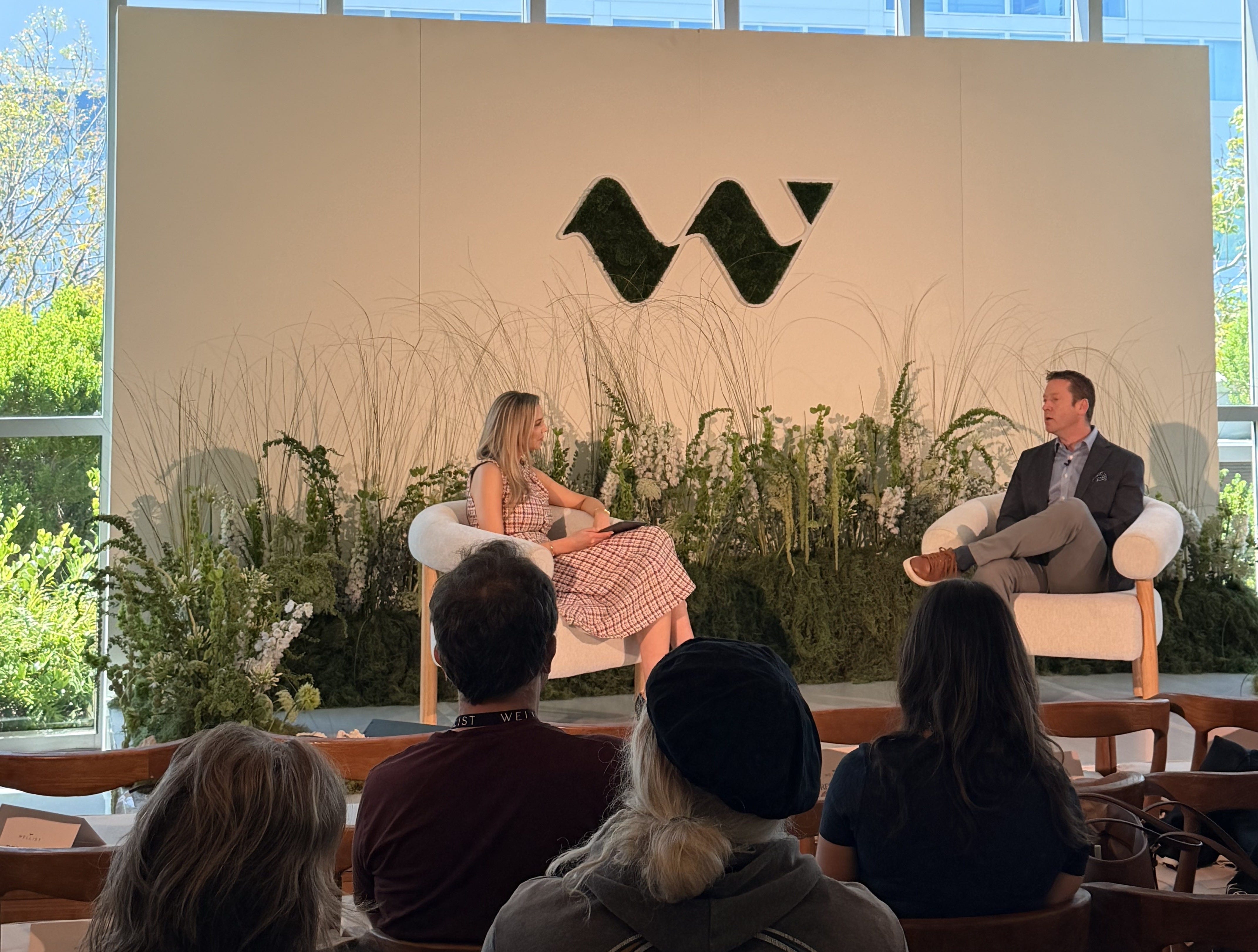
Equinox’s President - Marc - and Eileen Higgins - Mayor of the city of Miami - discussing what makes Equinox special!
The capital is here, and it’s sorting
The investment room had the most institutionally credentialed lineup I have seen at a wellness event from L Catterton (LVMH-backed) to Goldman Sachs alums.
The bar has moved from post-revenue to post-profit. They are screening for measurable outcomes, clinical credibility, and founders who can command their numbers without a deck.
The narrative consensus across panels was unanimous and somewhat brutal: wellness is still the Wild West, longevity is over-marketed and under-defined, science-washing and wellness-washing are now reputational risks, and the brands that will define this decade are the ones that combine clinical rigor with actual human warmth.
The Future Laboratory’s Madeleine Boyd called this “the Age of Proof.” She also pointed out that 57% of US and UK early adopters now think “longevity” has become an overused marketing term, rising to 64% among Gen Z. I’d argue we crossed that threshold a year ago. The market is just catching up to its own fatigue.
The Age of Proof, embodied
Speaking of the Age of Proof - I had a long dinner with Chris Mirabile, founder of Novos. More to come on what he’s building, but the headline for this piece is simpler: Novos Core has a study showing it actually works, and Unilever just put capital behind the company.
There is a particular pleasure in watching someone you connected with years ago (and use the product), when the category was still mostly vibes and TED talks, grow up into the version of the company they always said they were going to be. Chris was disciplined about the science when discipline was unfashionable. Now the discipline is the moat. The clinical data is the product. The strategic acquirers are circling.
This is exactly what the room at Wellist was telling founders to become. Chris is already there
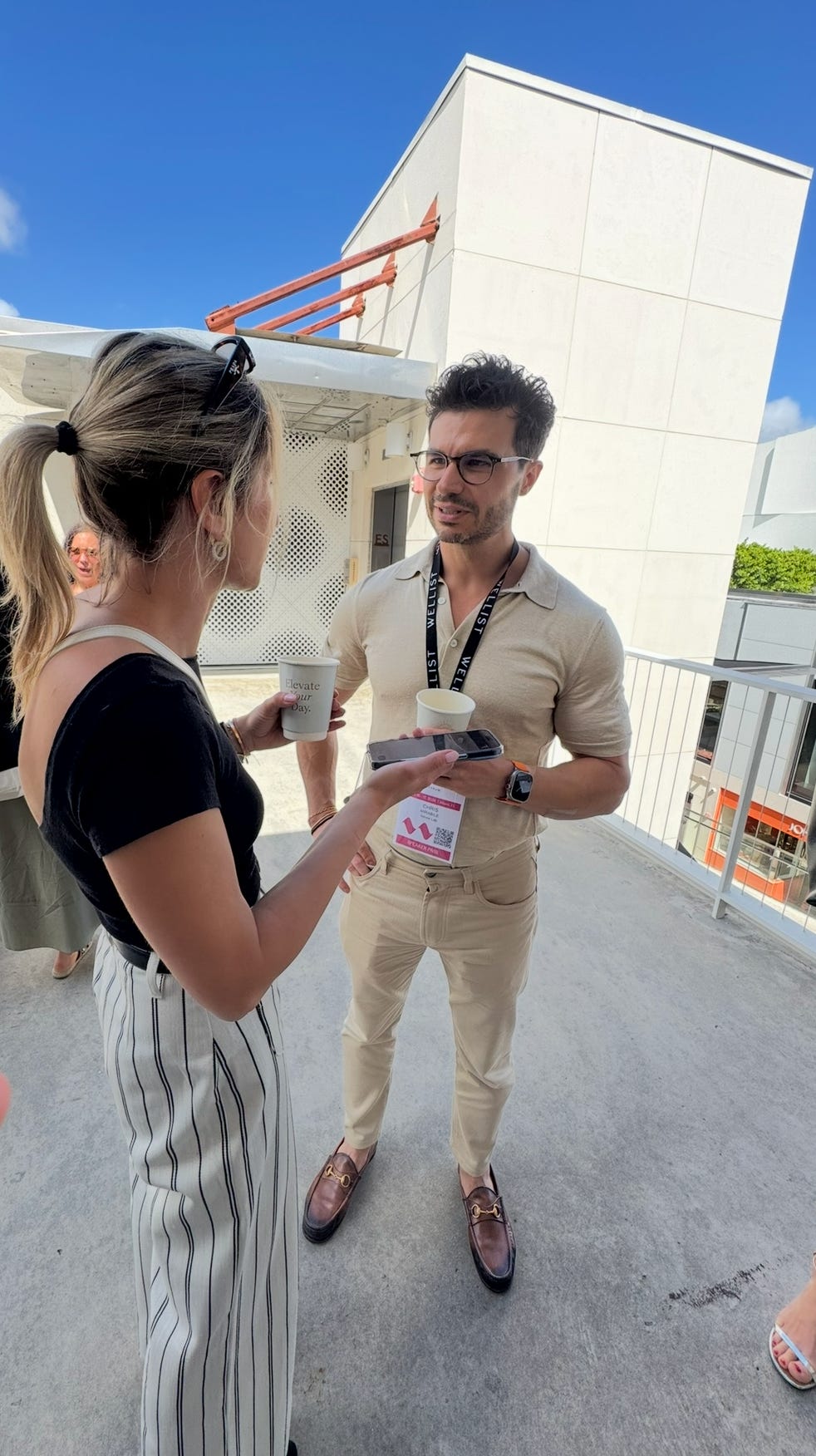
Catching up with Chris Mirabile from Novos, where he shared with me details behind the exciting double-placebo study. More on this to come!
NAD, and changing my mind in public
Now the part where I had my mind changed in real time, which is supposed to be the whole point of going to a conference and almost never is.
I did a hot-takes session with my friend Dr Halland - longevity doctor who recently launched Cell Theory Labs (@celltheorylabs) and has been heads-down on NAD biology for years - and I went in with my standard skepticism. NAD is a category I have largely written off as overpromised, expensive, and oral-bioavailability-questionable.
Halland did not argue with my priors. He went under them.
The conversation moved through:
Precursor distinctions (NR vs. NMN vs. NAD+ direct)
The actual mechanistic case for cellular energy in aging tissues
What the human data does and does not say
Where the marketing has run ahead of the science (which is most places)
I left the stage rethinking whether I should have NAD support back in my stack. That is not a sentence I expected to type. Halland’s point that stuck: the molecule is not the problem; the delivery, dosing, and category discipline are.
This is the exact pattern that defines this entire moment. The substrate is real. The story around it is mostly noise.
A different kind of hot seat: Elaine Glass
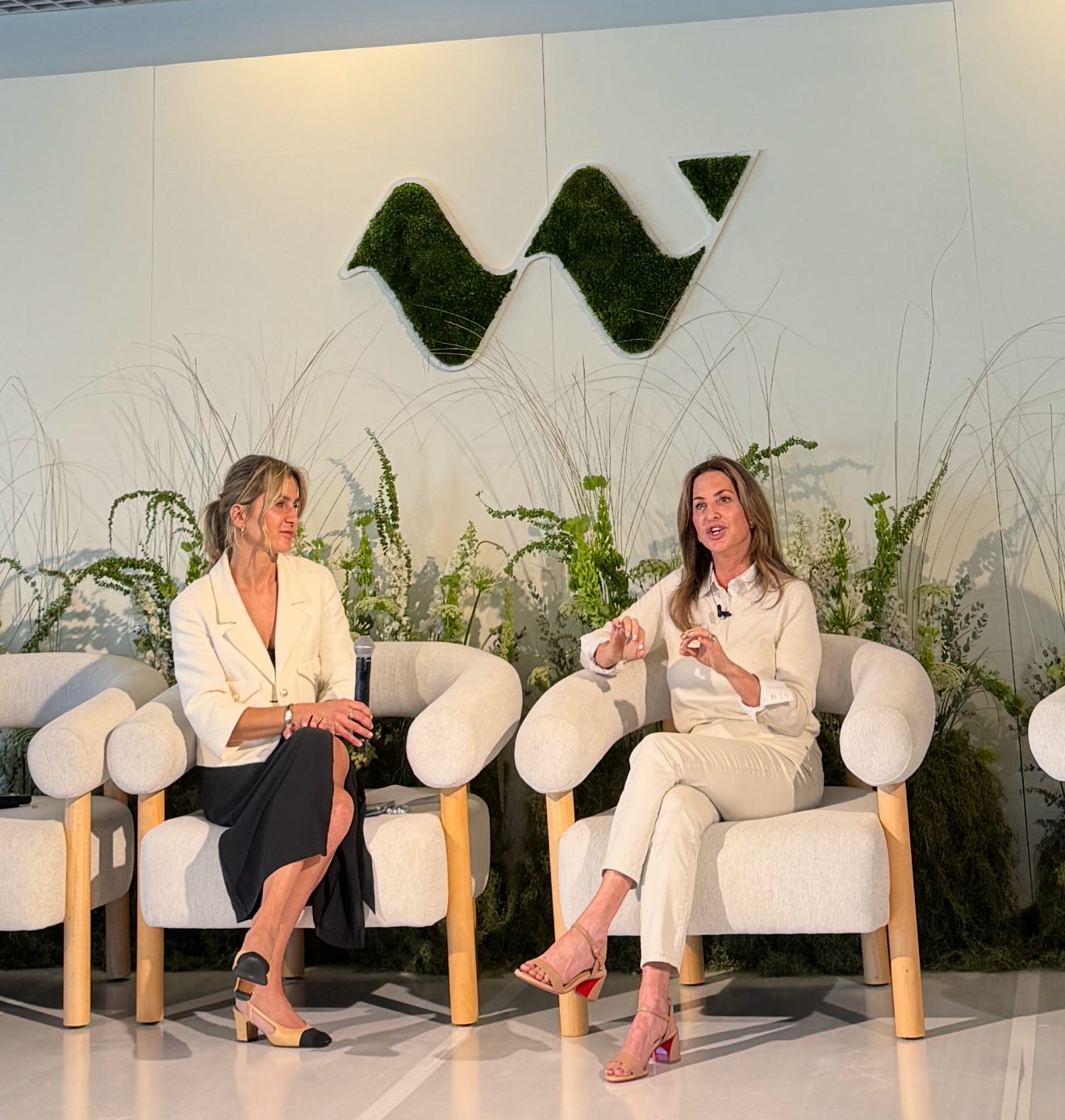
Hot seat with Elaine Glass
The counterweight came in a hot seat with Elaine Glass, whose book Get Quiet: 7 Simple Paths to the Truth of Who You Are lays out seven paths inward, starting with awareness - the willingness to actually look at your own life instead of around it - and ending at a still point where the question is not what to add but what to listen to. After two days of talking about what to put in the body, sitting with Elaine was a hard reset. Her premise is simple and inconvenient: most of the answers we reach for in compounds and protocols are already in us, if we get quiet enough to hear them. I needed the reminder. Probably you do too.
So back to where I started
Three thousand years ago, my ancestors figured out that going from very hot to very cold made you feel better. Three years ago, my Oura ring told me the same thing.
The sauna hasn’t changed. What’s changed is that I now have:
A personalized, AI-mediated, longitudinal read on my own physiology
A research literature on contrast therapy that can be scanned in seconds
A peer group of operators and scientists I can text mid-thought
A market that has finally decided wellness is infrastructure rather than indulgence
That is not a small upgrade. But it does not replace the original technology, which was: do something hard, then rest, then do it with people you love.
Wellist worked because it understood that. The city of Miami showed up. The capital showed up. The science showed up. And underneath all of it was the oldest argument in the longevity literature, which is that community is the protocol nobody can buy and everybody needs.
The Blue Zones research has been telling us this for two decades. Harvard study confirms it. We are still acting surprised every time we rediscover it.
Nothing has changed. Everything is changing. The sauna is still a sauna. The needles are still needles.
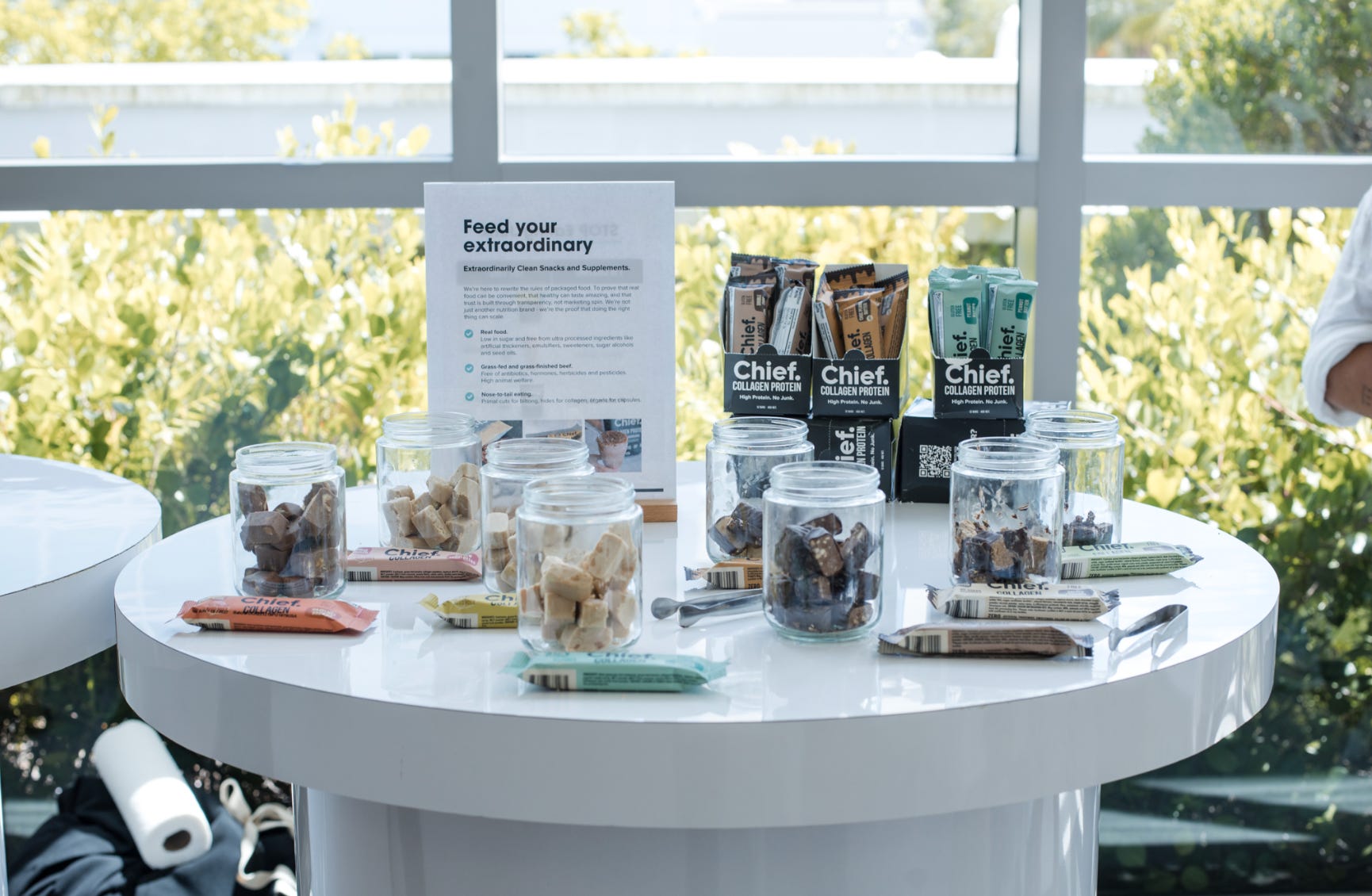
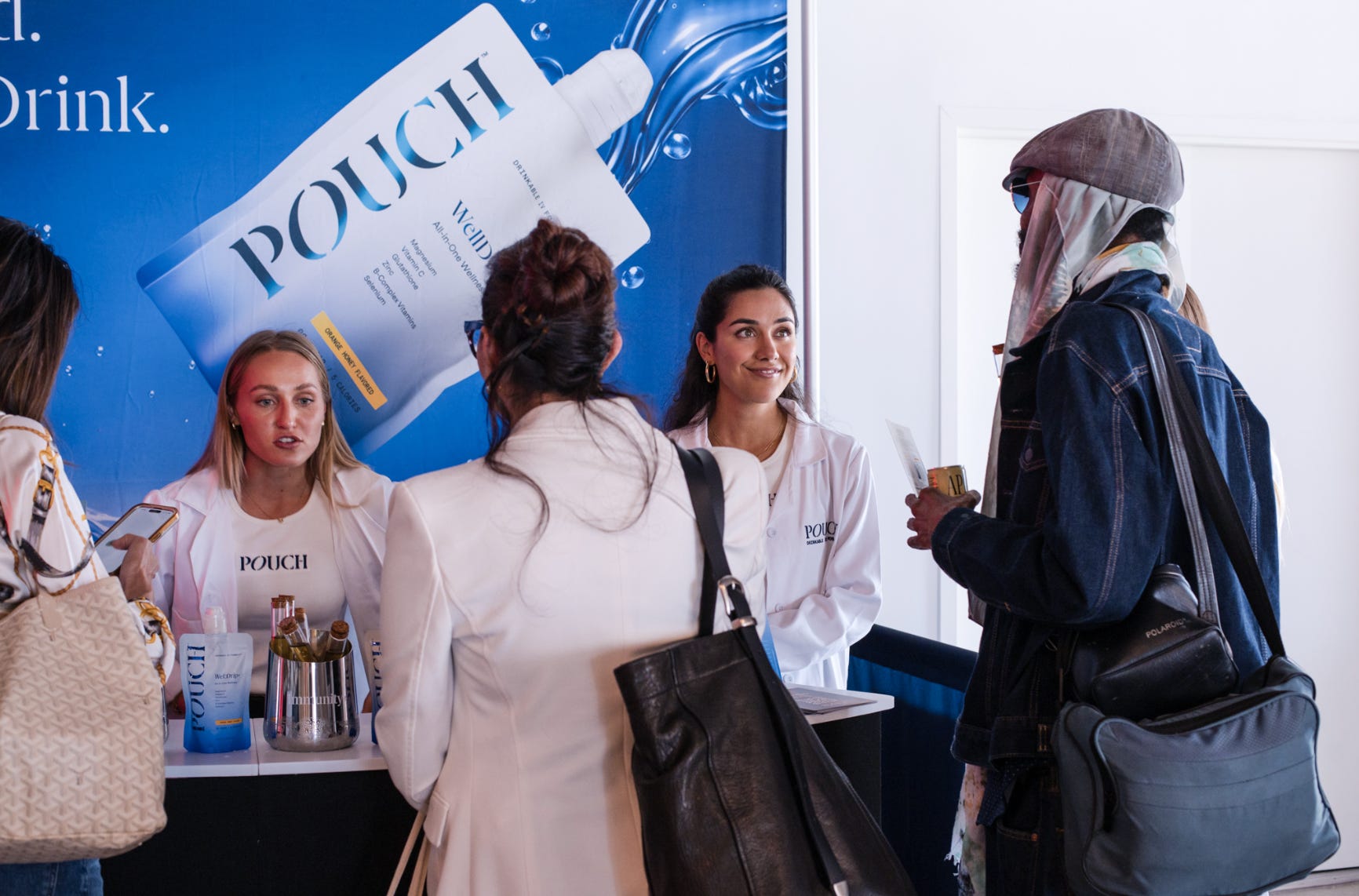
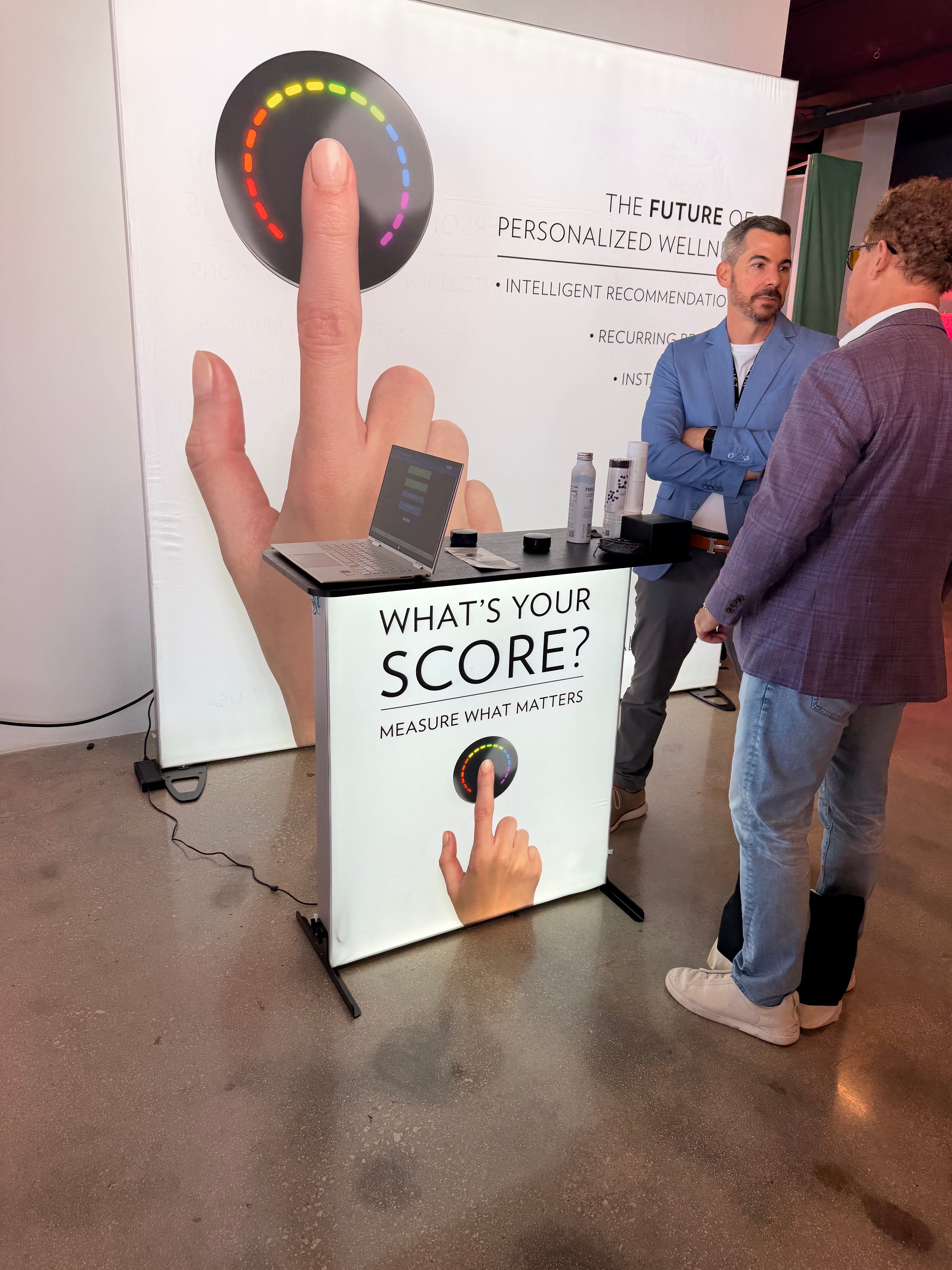
Select event partners I got to sample!
Appendix - Sources & Studies
McKinsey & Company. (2025). The Future of Wellness 2025: Trends and Strategic Imperatives.
The Future Laboratory × Together Group. (2026). Wellness: Trends, Opportunities and Strategies for Scale.
Boston Consulting Group. (2024). Why Wellness Has Become A Massive Global Market.
Euromonitor International. (2025). Beauty & Personal Care: Health-Positioned Supplements.
Laukkanen, T. et al. (2018). Sauna bathing and risk of cardiovascular and all-cause mortality. Mayo Clinic Proceedings.
Patrick, R.P. & Johnson, T.L. (2021). Sauna use as a lifestyle practice to extend healthspan. Experimental Gerontology.
Yoshino, M. et al. (2021). Nicotinamide mononucleotide increases muscle insulin sensitivity in prediabetic women. Science.
Martens, C.R. et al. (2018). Chronic nicotinamide riboside supplementation is well-tolerated and elevates NAD+ in healthy middle-aged and older adults. Nature Communications.
Aliper, A. et al. (2022). Novos Core formulation effects on human dermal fibroblast aging biomarkers. (Novos Labs published research — please verify exact citation against most recent version before publishing.)
Buettner, D. & Skemp, S. (2016). Blue Zones: Lessons from the world’s longest lived. American Journal of Lifestyle Medicine.
Holt-Lunstad, J. et al. (2010). Social relationships and mortality risk: a meta-analytic review. PLoS Medicine.