


I met Anand Janefalkar at Founders Forum in New York. Almost everyone had left. We were walking out and somehow got into a conversation about what he was building, and within minutes I knew I needed to be part of it. Anand is the founder of Petal, a bra insert that tracks cardiovascular health using bioimpedance analysis sensors and is working toward early breast cancer detection. He is one of the people I have connected to since who genuinely sits at the intersection of deep technology and a mission that is personal in the most serious way.
I have since joined as an advisor. This is our first public conversation.
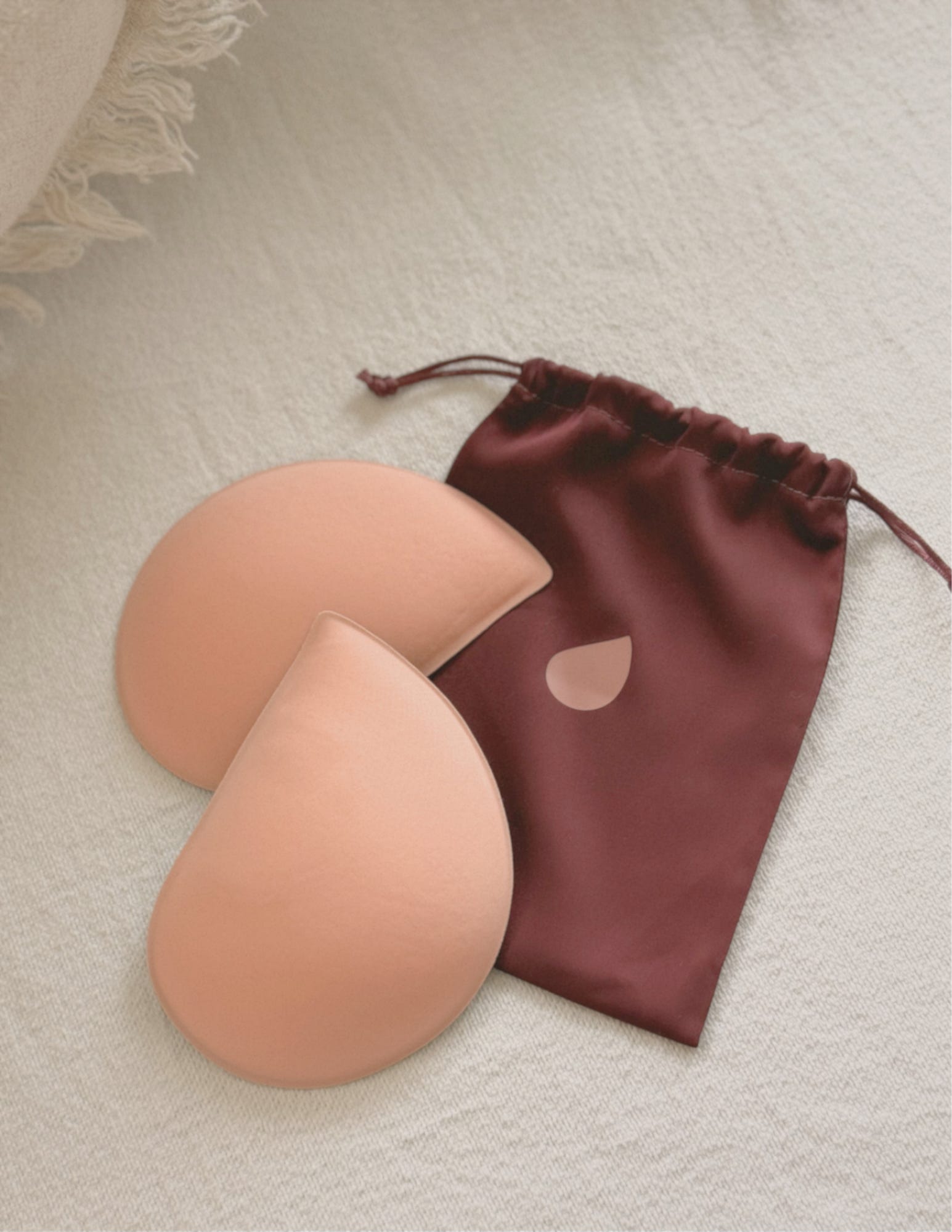
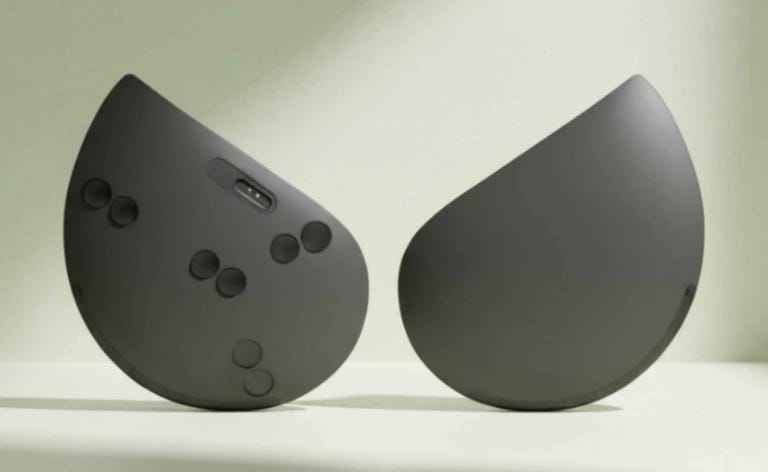
Petal is your tracker in the form of bra insert, as pictured above. link here.
Julia: Start with your background, because Petal is not your first company and the path here matters.
Anand: I fell in love with wireless communications very young, back when it was still car phones. By the time I graduated it was cell phones, and I ended up doing research on 3G and 4G protocols sponsored by Nokia Research Center. Then seven years at Motorola Mobility, where I worked on the 3G Razr, the platform that became Android, the first Android tablet, and something we called a smart watch before anyone used the word wearable. That was the Moto Active.
I moved to San Francisco because I was entrepreneurial and the VC infrastructure in Chicago wasn’t there yet. Worked at a few companies, including on the Jambox and at Lab 126, then started my first company in 2015. UJet. The thesis was that people communicate visually and contextually through smartphones, except when they’re talking to a business. I built that for almost ten years. The name is dedicated to someone I lost to breast cancer. Everyone around me, including my investors, knew I was going to come back to that.
Julia: So Petal was always the plan.
Anand: Always. I started looking more closely at women’s health and saw two major crises running in parallel. The first is cardiovascular disease. One in three women ultimately dies from it. Women live longer but sicker. They are dismissed at emergency rooms without proper cardiac testing at seven times the rate of men, and their symptoms present differently, what medicine calls atypical, which I find a frustrating term. Jaw pain, back pain, nausea instead of the textbook chest and arm. The second crisis is breast cancer, and the trend lines are going in the wrong direction. The largest relative increase in incidence is now in women in their 20s and 30s.
Julia: Tell everyone what Petal actually is, because even I had to see it to believe it.
Anand: Petal is a bra insert. It sits at a woman’s anatomical core, right over the heart and the fibro-glandular tissue. It uses bioimpedance analysis sensors, not the optical PPG sensors or temperature sensors you find in wrist and finger wearables. We are not shining a light and extrapolating from the blood flow response. We are listening directly to what the heart is telling the ventricles to do. The signal is the same as an ECG. That matters because it is more accurate, and because it does not require the hand to be still.
Every other wearable is designed around the assumption that you filter out movement. We don’t need to. Women move their torsos significantly less than their arms. So our signal quality during a workout, a commute, a stressful presentation, a walk pushing a stroller, is high when others are filtering noise.
Julia: Which is the part that got me. Most wearables are still essentially optimized for sleep recovery. You are going the other direction.
Anand: Exactly. Cardiovascular and cardiometabolic events happen during the day, under stress, during activity. Women wear bras for an average of twelve hours a day in our research. So the adherence is built in. It fits into the lifestyle women already have rather than asking them to build a new one.
The other thing that is distinct is style. A lot of women stop wearing wrist wearables because they are bulky, or they interfere with strength training, or the battery life drops off. This is invisible. You associate it with your sports bra, you use it for a workout two or three times a week, forty-five minutes to an hour, and you are getting real data measured at the source.
Julia: Walk me through what I am actually tracking.
Anand: Right now, heart rate, HRV, breathing, and adipose tissue composition through the bioimpedance sensors. That last one is significant. The breast is majority adipose fat tissue. Characterizing that gives you a proxy for midsection fat composition, which is more predictive of longevity risk and disease than BMI. It is also invisible. No scale. No number that follows you around.
The app shows you what zone you are in, accurate HRV, and real breathing data, not a timer but an actual visualization of your heart rate declining and your breathing pattern shifting when you do breathwork. The app was designed starting from women, not adapted from a male athlete use case after the fact.
Julia: And where is this going. Because the cardiovascular piece is the first chapter.
Anand: The second chapter is early anomaly detection for breast cancer. We are building the foundational model right now. Women were excluded from early clinical trials until 1993. Mice do not have a menstrual cycle. The data we have is not built on women’s physiology, and that is the gap we are filling.
Mammograms are a 2D rendering of a 3D organ. Over 50% of women have dense tissue, which means they get a letter after their mammogram saying the results may be incomplete. Our approach starts from 3D, from the breast in its natural form, characterizing tissue types, looking for deviation longitudinally over time. The head of breast radiation oncology at UCSF is part of the team. We have FDA clarity on the classification of the bioimpedance sensors. We are moving.
The goal is ambient. Technology that disappears into your life and builds a baseline specific to you, over time, that is actually useful when something changes.
Julia: Last question. Who are you looking to connect with?
Anand: Anyone obsessed with women’s health. Get the device, petal.today. Try it. The more women using it, the stronger the model, the stronger the mission.
Petal is available at petal.today. $199. Bra insert with app, two colors currently shipping.


