


Ben Liebmann has spent over twenty-five years following his gut - building his career at the place where creativity, culture, and commerce collide. From Warner Music to Shine Group, then Elisabeth Murdoch’s television production company, running the business of MasterChef, to seven years as COO of Noma (#1 restaurant in the world), he’s been in the room where culture-shifting ideas happen. He now runs Understory, a global agency and advisory specializing in the business of culture.
And as someone who witnessed Noma’s fermentation revolution firsthand, Ben understands how a restaurant’s internal experiments can grow - often in strange and unexpected ways.
Here’s what struck me about Ben’s story: he’s been observing a form of health innovation for decades without calling it that. While longevity science was catching up to the benefits of fermented foods, seasonal eating, and dietary diversity, chefs like René Redzepi were already solving for it - not because they read the research (though they were often the ones writing the research papers), but because constraints forced creativity.
The question I kept circling back to: what does someone who watched Noma’s food revolution from the inside see that the wellness industry is missing?
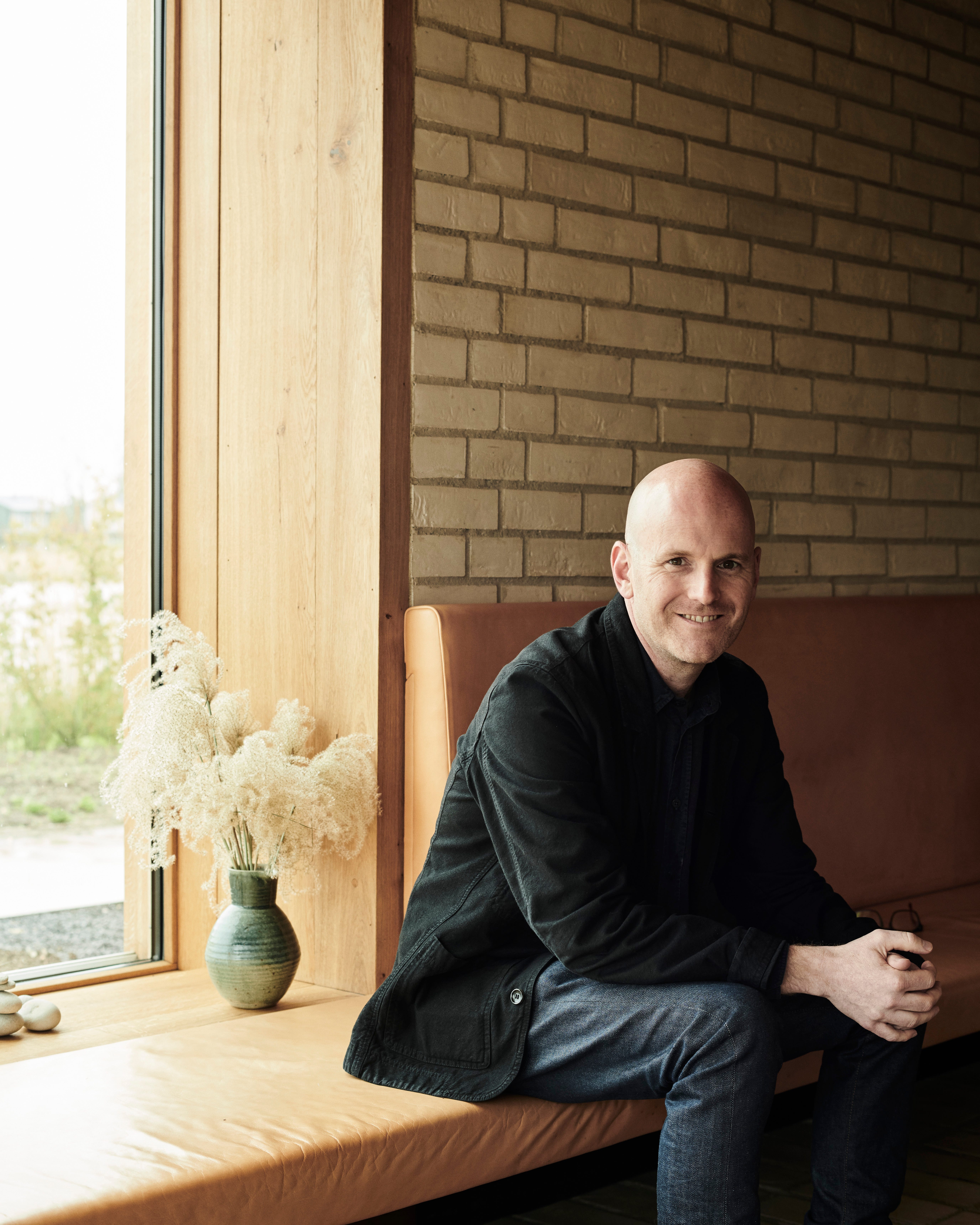
Ben Liebmann
Julia: You’ve had this fascinating career arc - music, television, hospitality. What’s the through line?
Ben: Creative people. Creative industries. I’ve spent 25 years working with extraordinary creative people. There was no business case behind what drove me to these industries—it was purely driven by gut and heart.
I left college and went to Warner Music at what I describe as “the end of the heyday and the beginning of the disruption”. I was there when Napster arrived and saw what real disruption looked like from the inside. I left the music industry when I wasn’t loving it anymore, when it felt like it was becoming more of a job. The moment I left, my love of it came back.
Then I went to Fremantle and was working for them when MasterChef launched in Australia. The media was up in arms: “Nobody cares about watching cooking in prime time”. Some pundits suggested this would become the biggest failure in Australian television history. It became the highest-rating show in Australian television history. That was the first time I saw the power of food to entertain and inspire. Within five years, that show was being produced in over 50 countries and broadcast in over 100 around the world. That’s how I started connecting with chefs. Many of the world’s best had been part of that show - Ferran Adrià, Daniel Boulud, Thomas Keller, Gordon Ramsay, Anthony Bourdain, René Redzepi.
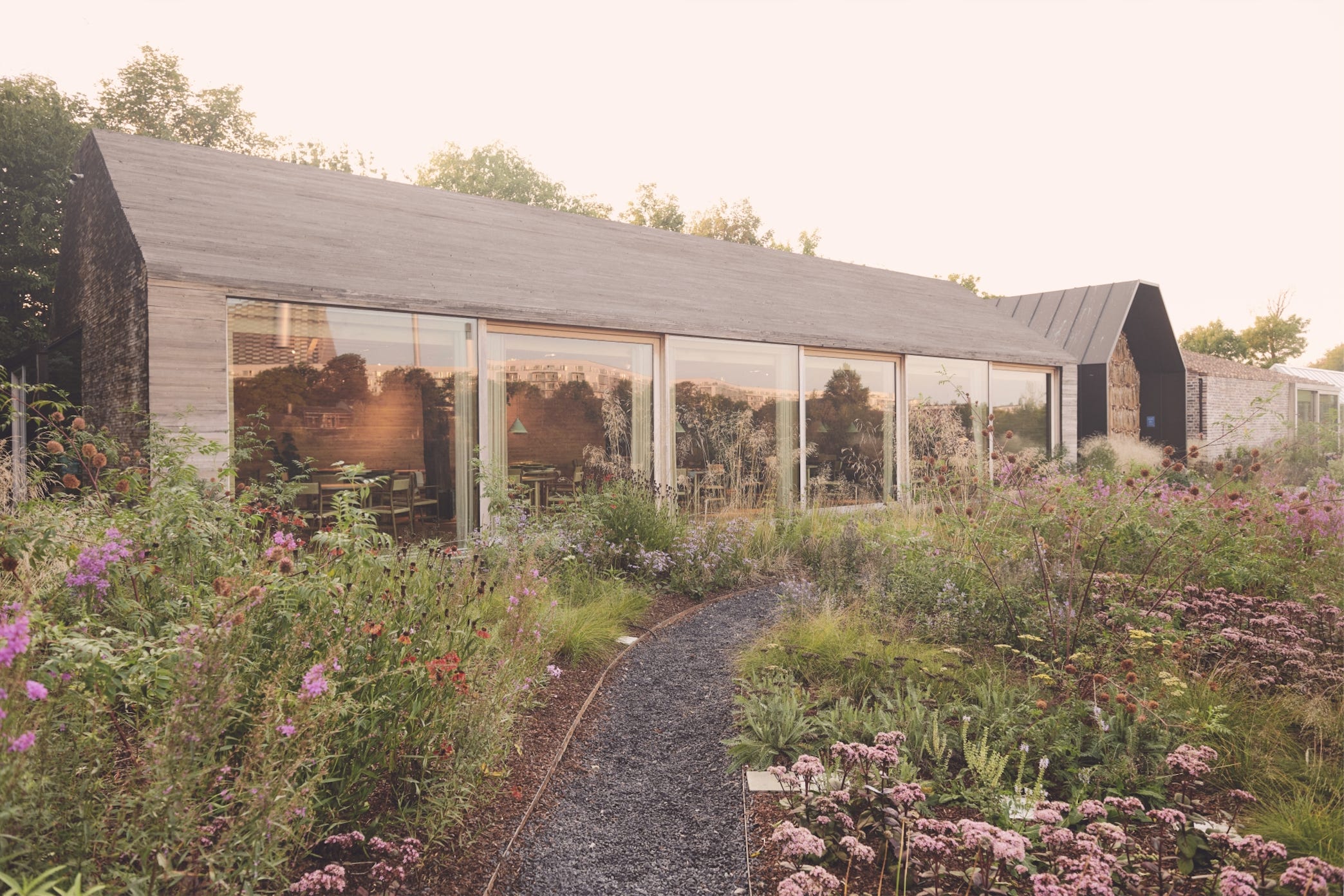
Noma | credit: Ditte Isager
J: How did you end up at Noma?
B: René and I met through this sliding door moment and got to know each other over two to three years. I was living in London, traveling to Copenhagen each year to attend the MAD Symposium - his gathering where the most important minds in food (chefs, farmers, academics, authors, etc) would discuss the future of the food system. Not just what we’re eating, but how we’re going to create a working system that supports the planet.
In 2015, René was doing the first Noma popup in Tokyo, and I stopped by on my way back to Sydney. We were sitting at the bar after service one night, and he talked about how well it had gone and wanting to do it again. What do you think about Australia?” I said, “Yeah, of course you should. It is a food and restaurant obsessed country” He said, “Then you help us. You do it.”
I thought I was doing it as a project and then I’d go back to television. Six months in, he said, “When this is done, I think you should move back to Denmark.” So my family packed up the shipping container we’d just unpacked from London. I was with René and the team as COO of Noma for seven years.
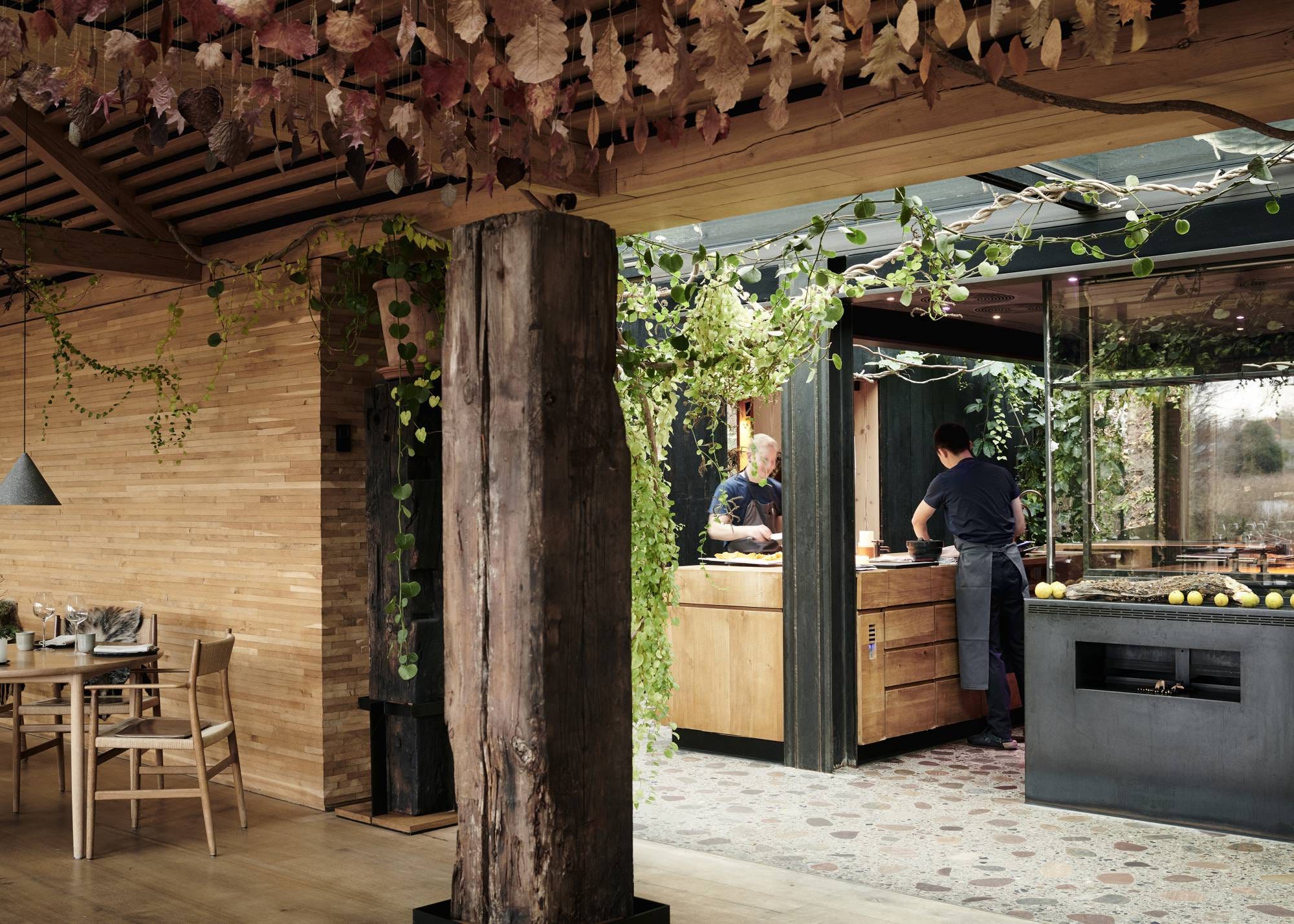
Noma | credit: Ditte Isager
J: Noma Australia - 5,500 tickets selling out in three minutes - what did that tell you about where food culture was heading?
There was research you mentioned to me showing Gen Z and beyond would look to what they ate, where they ate, and the people who were cooking it for them, to define and who they were to the world - the way previous generations had done through fashion, music, sporting teams. Food was becoming part of our identity.
And here’s where I want to dig in, because what Noma was doing - the fermentation, the foraging, the seasonal constraints - turns out to be exactly what longevity science now tells us we should be doing for our gut health (or metabolic flexibility). But you were watching it happen for completely different reasons. Walk me through what René was actually doing!
B: That’s a misconception people have. The pillars of Noma’s creativity was driven by constraint. Fermentation initially was about preservation. Noma opened in November 2003, followed by one of Denmark’s coldest winters. René would tell the story - the ground was so solid you couldn’t grow anything, not even root vegetables. They turned to fermentation to preserve ingredients for the following seasons.
What they found was that through preservation, they were unlocking new flavors. That curiosity - René will tell you curiosity is the most powerful tool of any chef—led them to keep exploring.
J: And the foraging?
B: Foraging was intertwined with the New Nordic manifesto: cooking only what grew native to where you were. Time and place. For a restaurant in Denmark, that meant no citrus, no olive oil, no spices. Things we take for granted were suddenly out of the restaurant’s pantry.
I believe René was given a Swedish survivalist’s book about how to survive on the land in a post-nuclear Europe. He started tasting and foraging his way across the wild landscape.
Through fermentation and foraging, a new pantry was created. A new language was created.
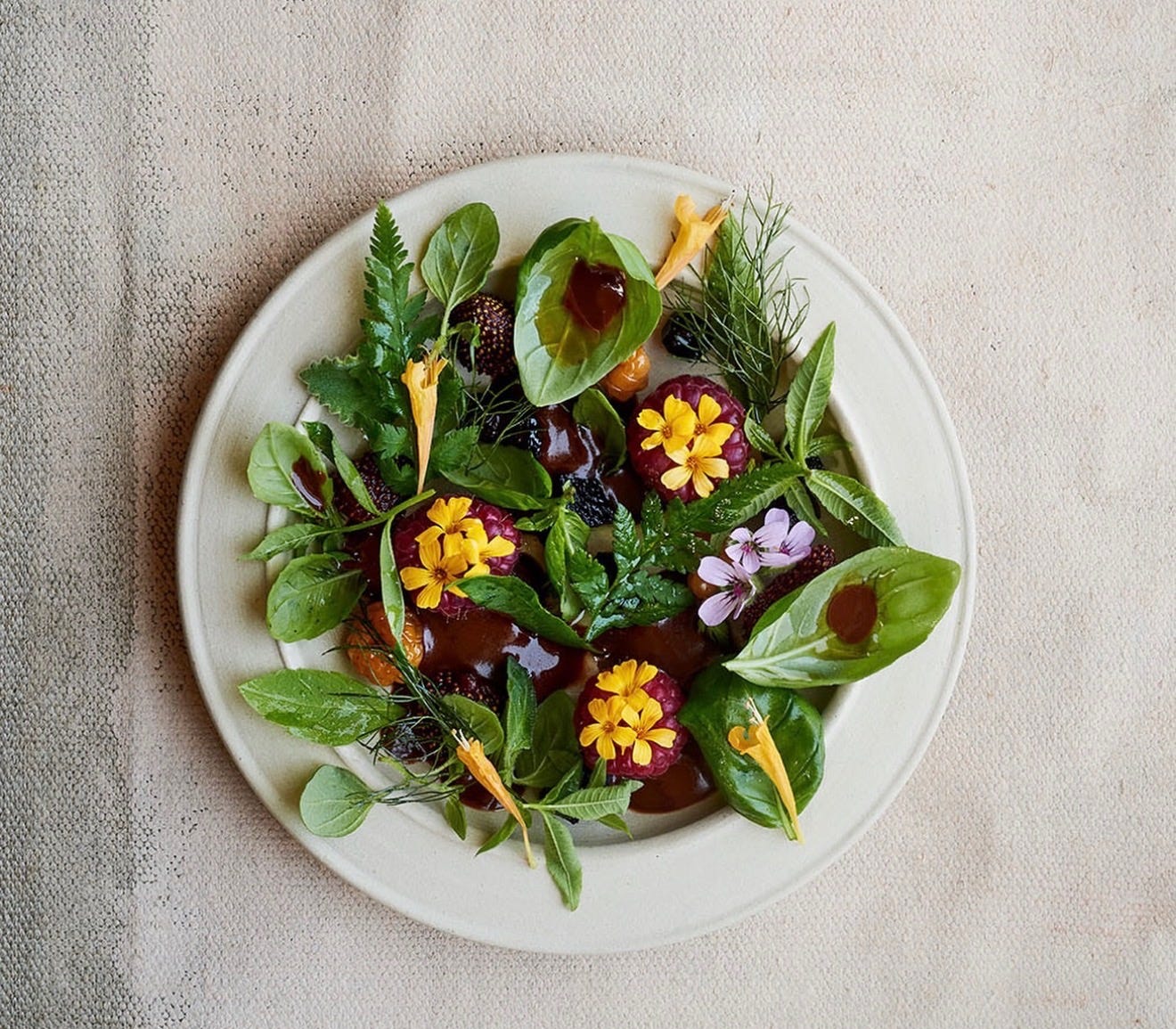
Salad with dried berries and herbs with warm chocolate sauce, summer 2025 menu | photo credit: nomacph
J: And the famous ants on a shrimp dish?
B: The ants weren’t done for art. Chef Alex Atala had taken René into the Amazon and taught him that first nation’s people would eat ants - the stomach enzymes replicated the flavor of citrus. Suddenly René had citrus in his pantry through Danish wood ants. It was problem-solving, not performance.
J: So René accidentally built what we now know is one of the most gut-healthy, nutrient-dense approaches to eating: fermented foods, wild foraged plants, extreme dietary diversity, seasonal rotation - all because he was solving for flavor under constraint. That’s fascinating to me because the wellness industry is trying to convince people to eat this way with data and studies, and he just made it delicious and desirable. You’ve said chefs should be change makers for some of our biggest challenges. This feels like proof.